
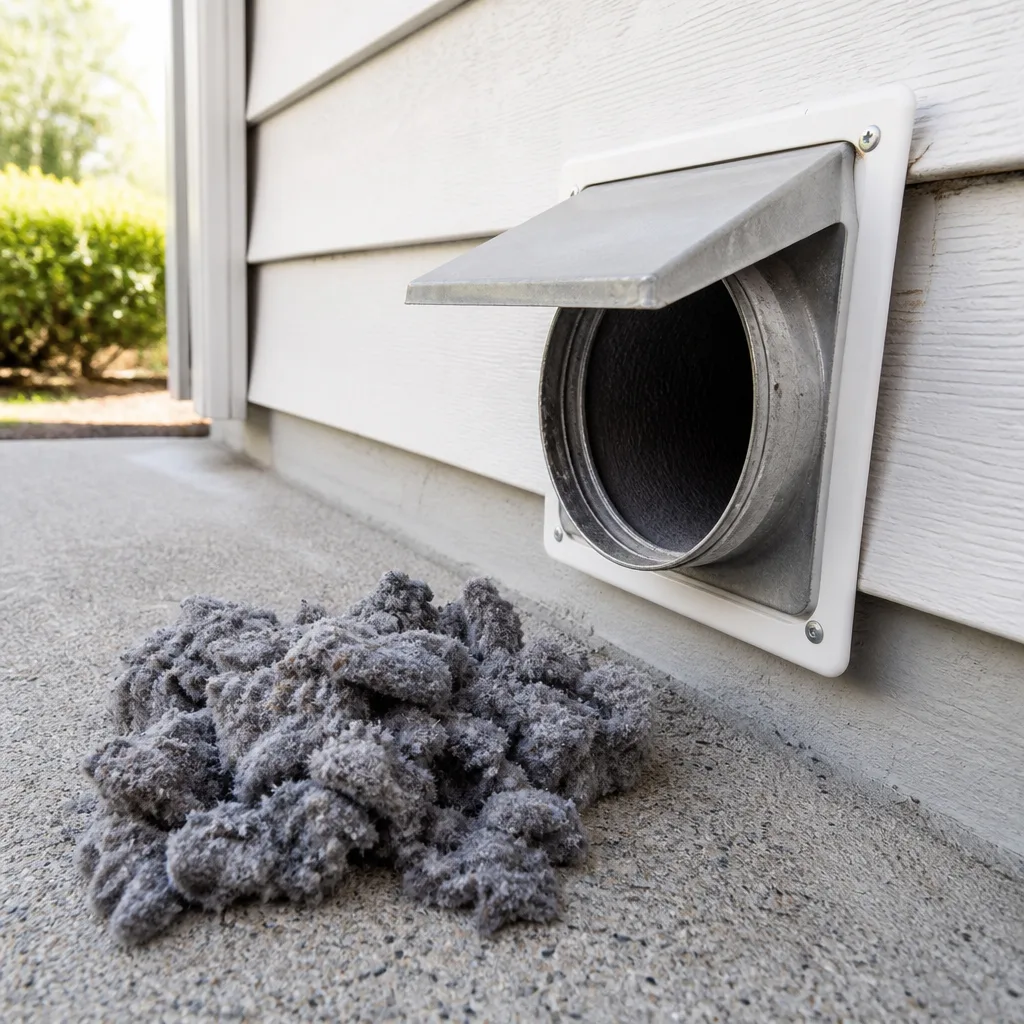
Whole-system duct and dryer vent check with before-and-after photos - you see exactly what came out of your vents
That "$99 whole-house special" is a bait ad - the real number appears once they are in your hallway, or the "clean" is a shop-vac at the register. We photograph the inside of your ducts before and after instead.
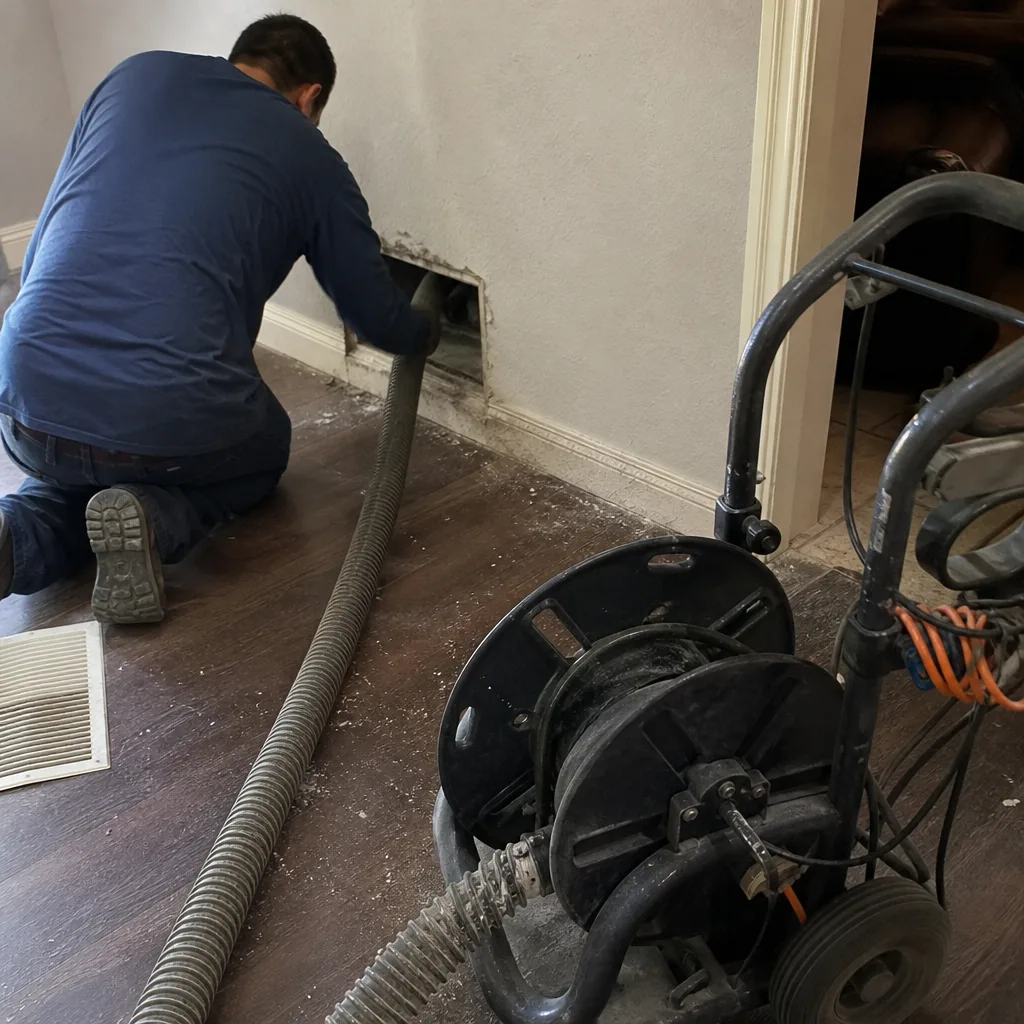 Before
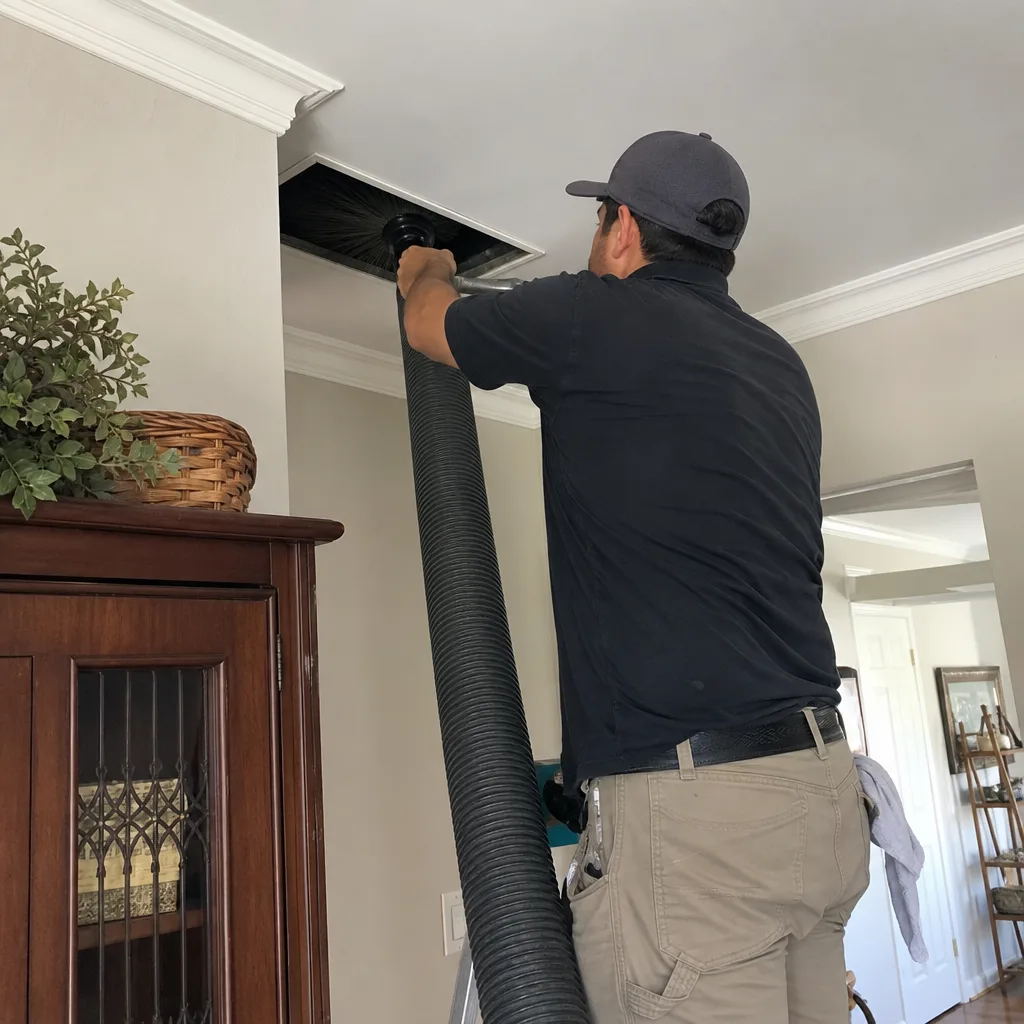 After
After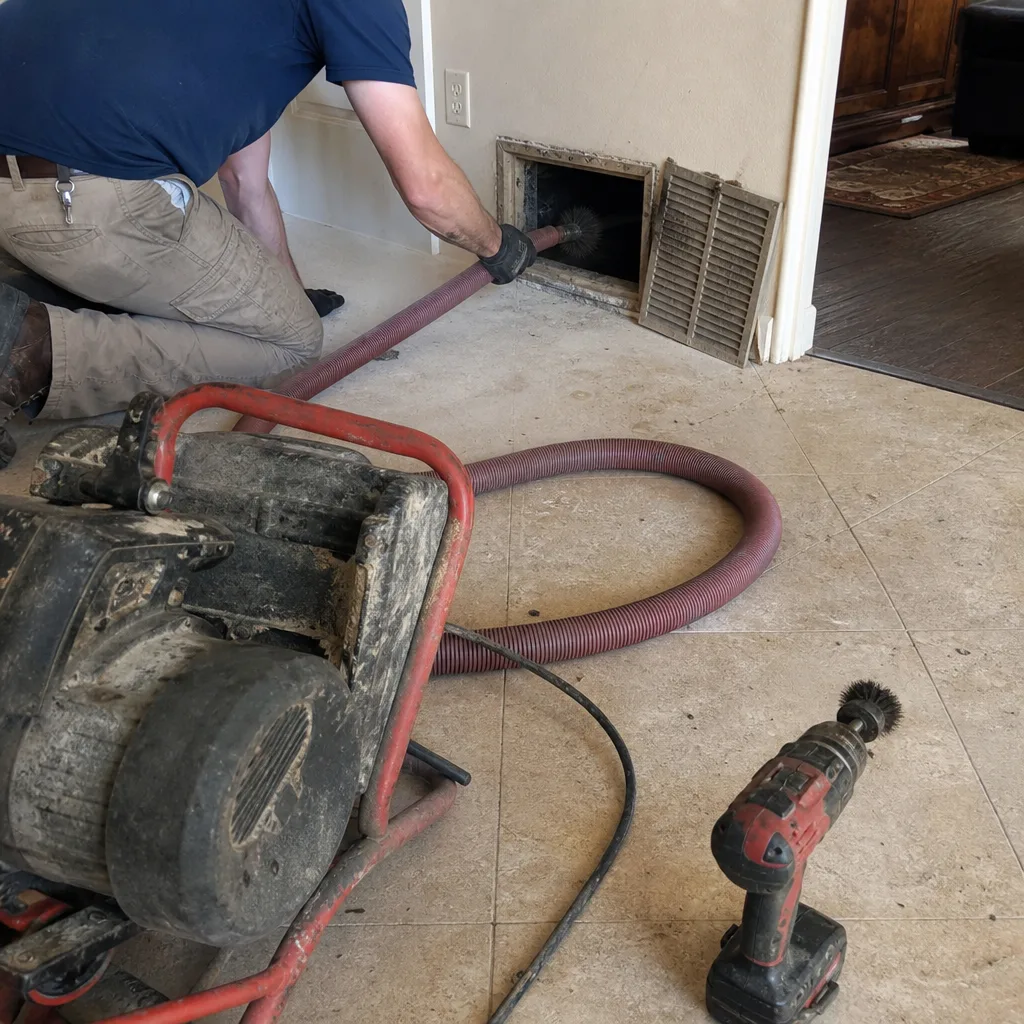 Before
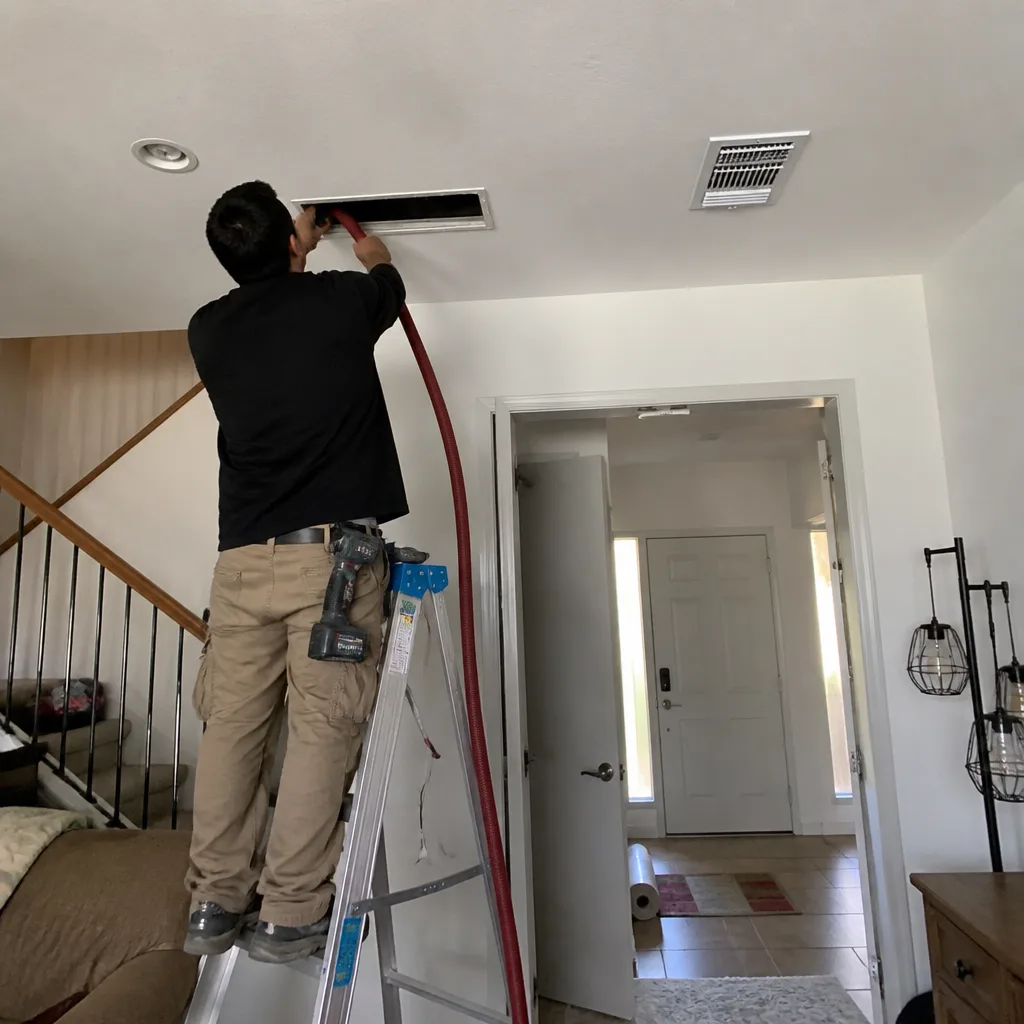 After
After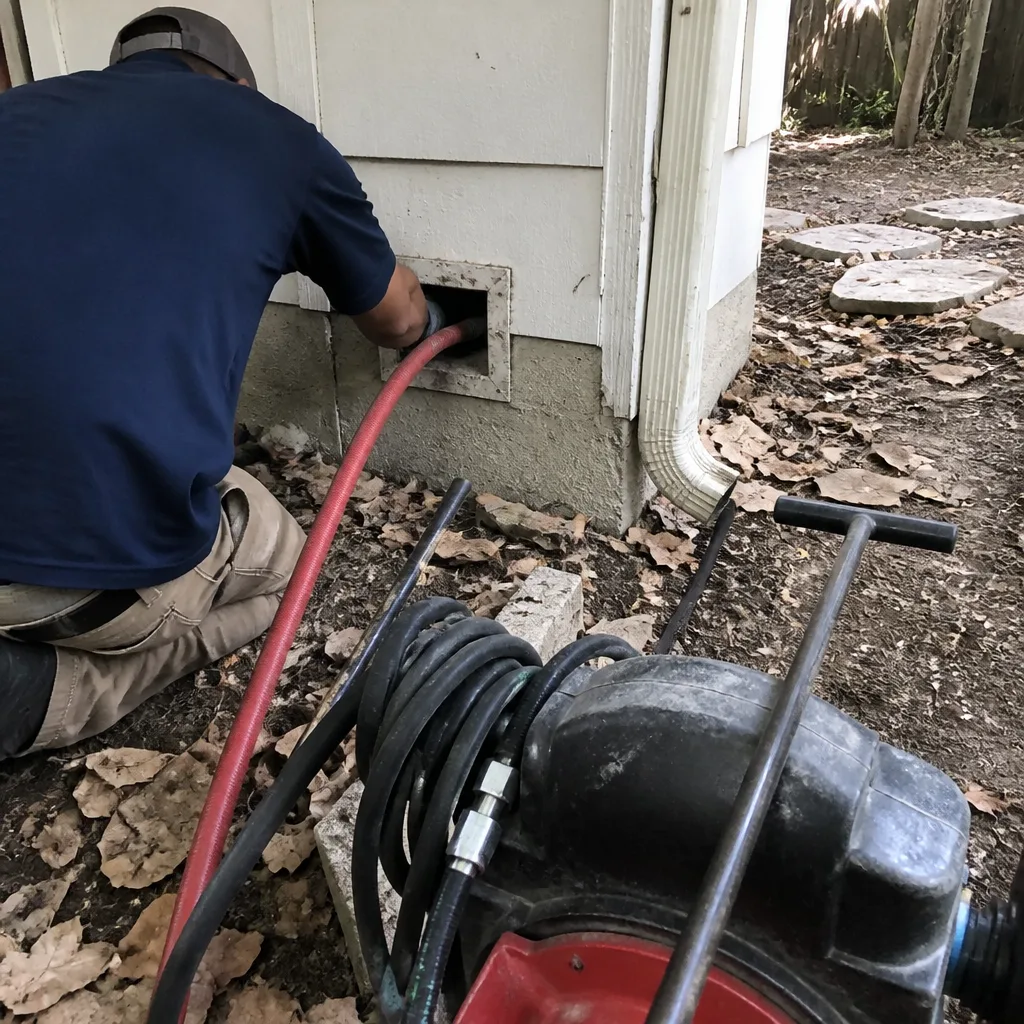 Before
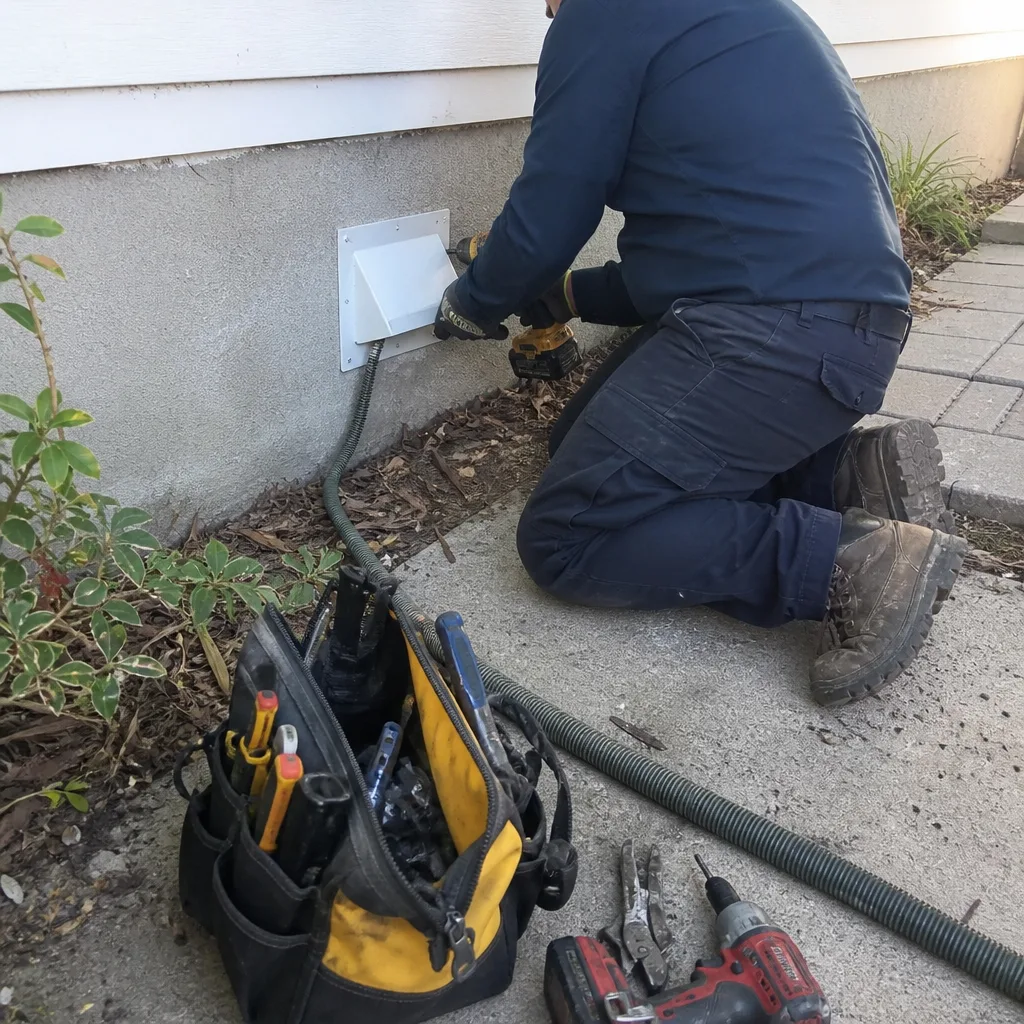 After
AfterRotobrush Register & Grille Cleaning: The New Braunfels Owner’s Guide
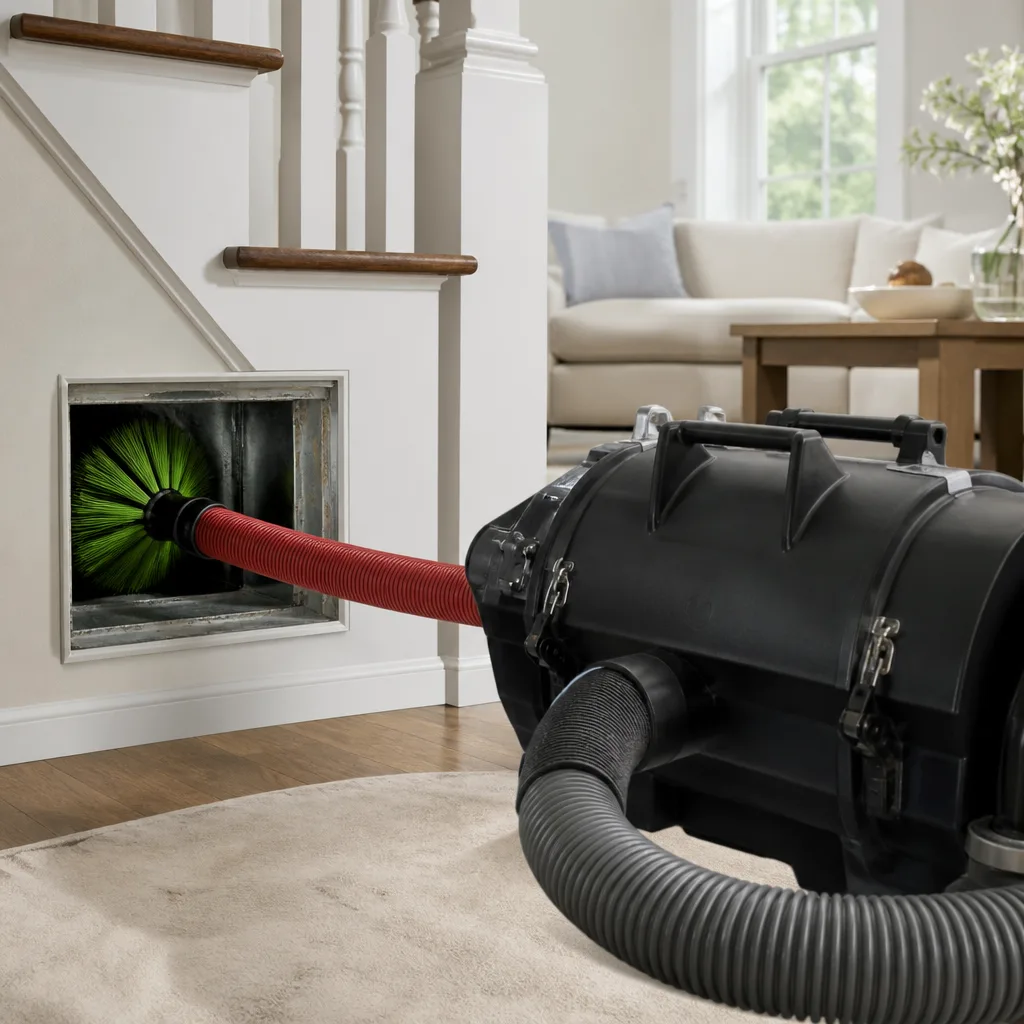
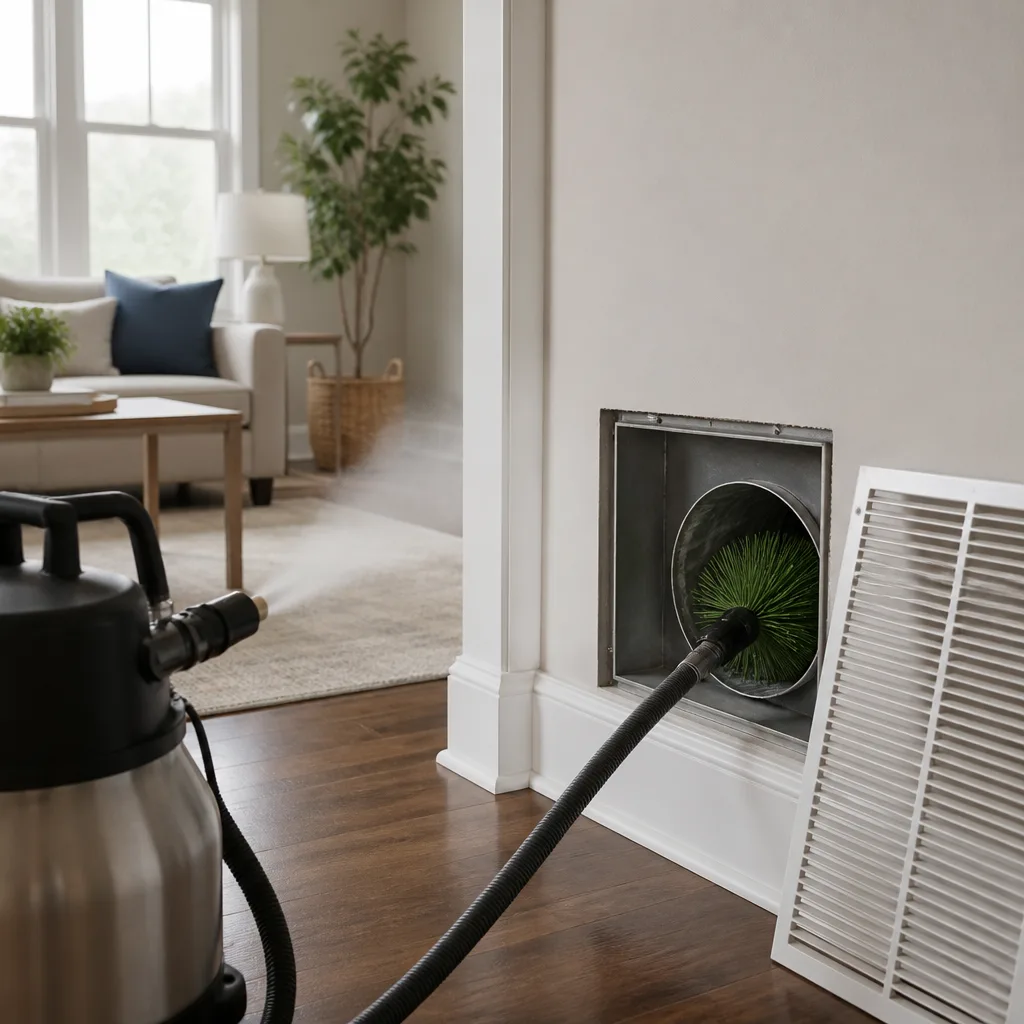
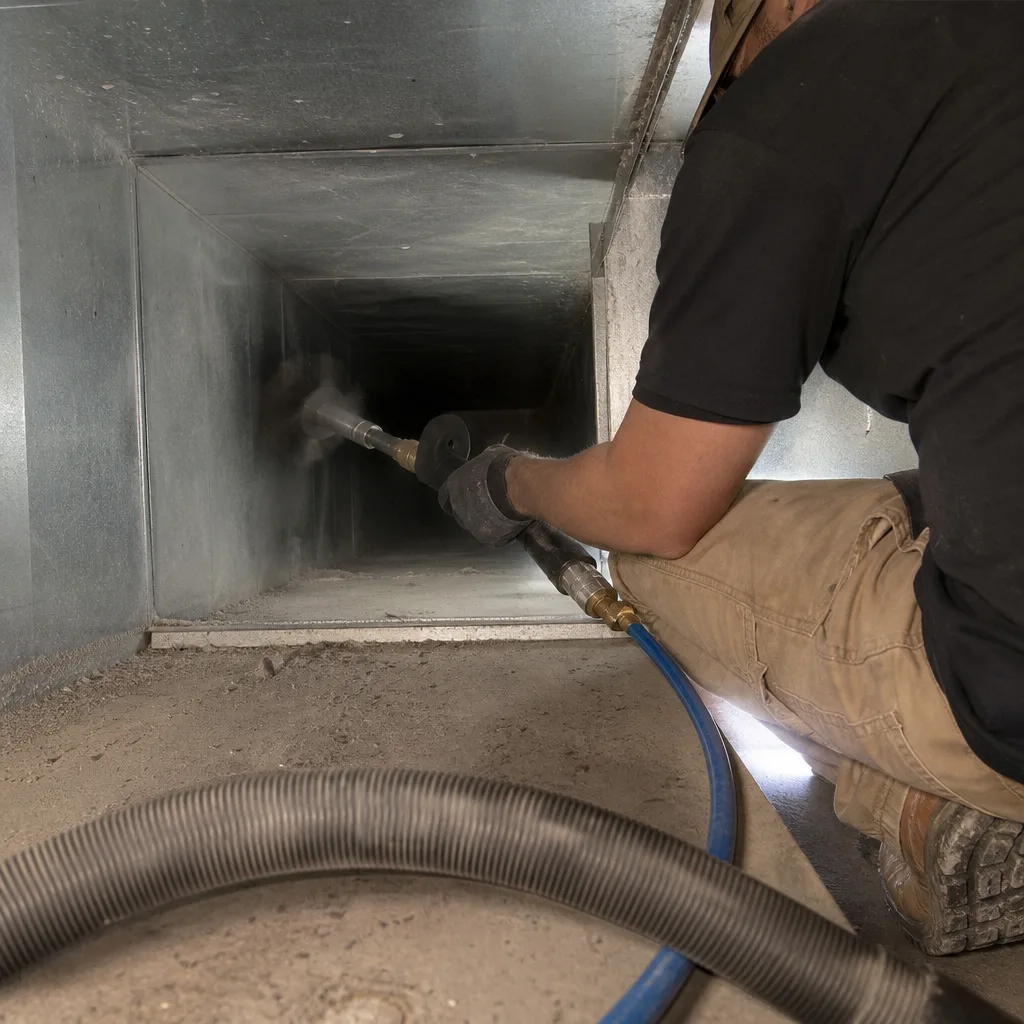
Rotobrush register and grille cleaning attachments for residential duct systems typically run $140-$260 installed in New Braunfels, and we stock the common sizes for same-day service. The work includes removing the register or grille, agitating the attached duct boot with a Rotobrush-compatible brush head, and extracting debris with negative-pressure collection. Most jobs take 45-90 minutes depending on how many registers are involved and what the camera shows upstream.
Owners usually figure out something’s wrong when they pull off a register for a quick vacuum and find the boot behind it packed with compacted dust, or when one room stays warmer than the rest despite good airflow at the vent. In homes near the Gruene Historic District, we’ve found that original metal boots from the eighties and nineties collect debris in a way flex duct doesn’t - the smooth walls let layers build until the opening narrows by a third.
Which Rotobrush Models This Applies To
Rotobrush builds several brush systems, and the register and grille attachment you need depends on the wand diameter of your base unit. The Rotobrush Beast series uses a 2.5-inch wand; the older Classic and BrushBeast models typically run 2-inch or 1.5-inch wands. The brush head itself - the part that actually enters the duct boot - must match this diameter or it won’t thread onto the wand coupler. We see this mismatch a few times a year in New Braunfels, usually when a homeowner bought a replacement brush online without checking the wand spec.
To identify yours: look for a label on the motor housing near the power switch. The model number starts with “RB-” followed by the series code. If the label’s worn off, measure the wand outer diameter with a tape measure. The register and grille kits we stock fit Beast, BrushBeast, and most Classic units built after 2012. For pre-2012 Classic models, we source a specific aftermarket brush head from Guardsman that threads to the older coupler pattern - it’s not OEM, but we’ve run them since 2013 without a failure in the field.
CleanRun Air Duct Cleaning New Braunfels is an independent service provider. We’re not affiliated with Rotobrush, though we use their equipment alongside Nikro, Abatement Technologies, and Guardsman tools.
Signs Your Rotobrush Register & Grille Cleaning Is Failing
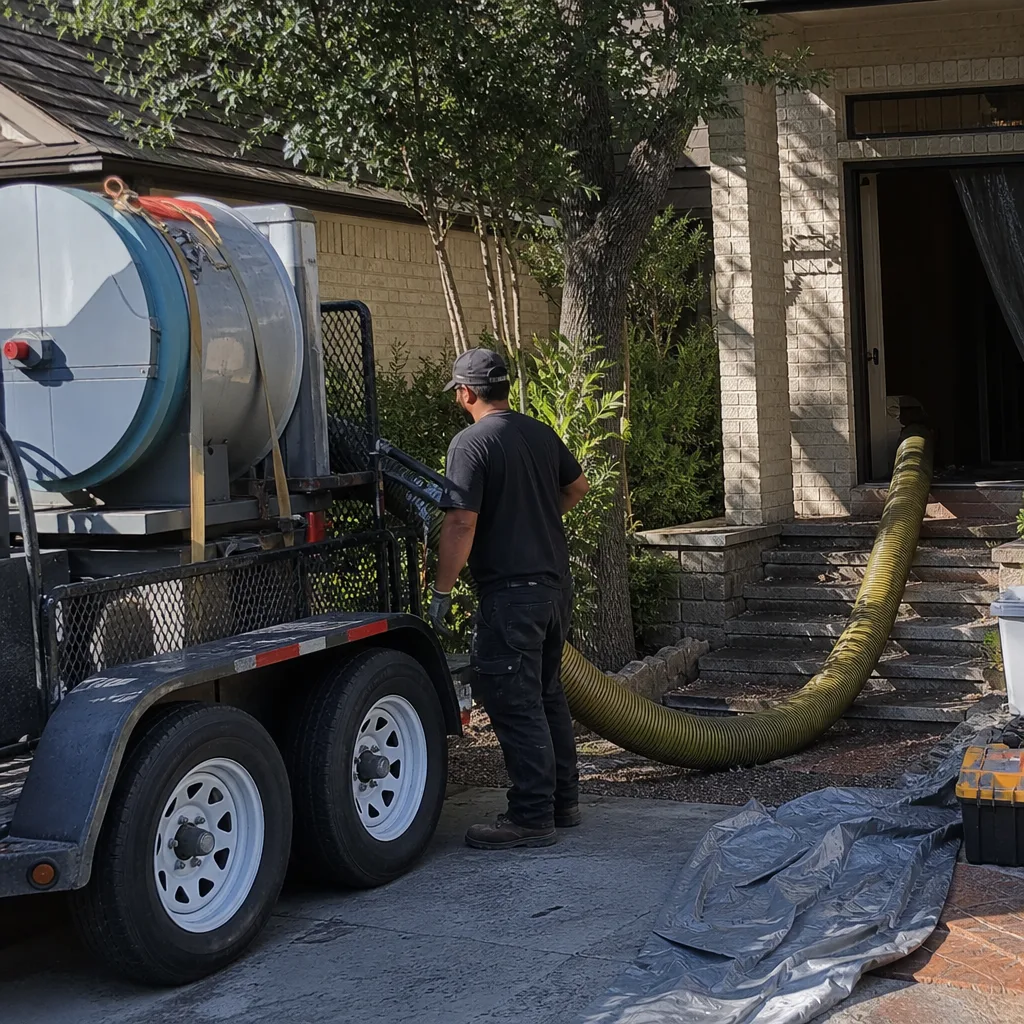
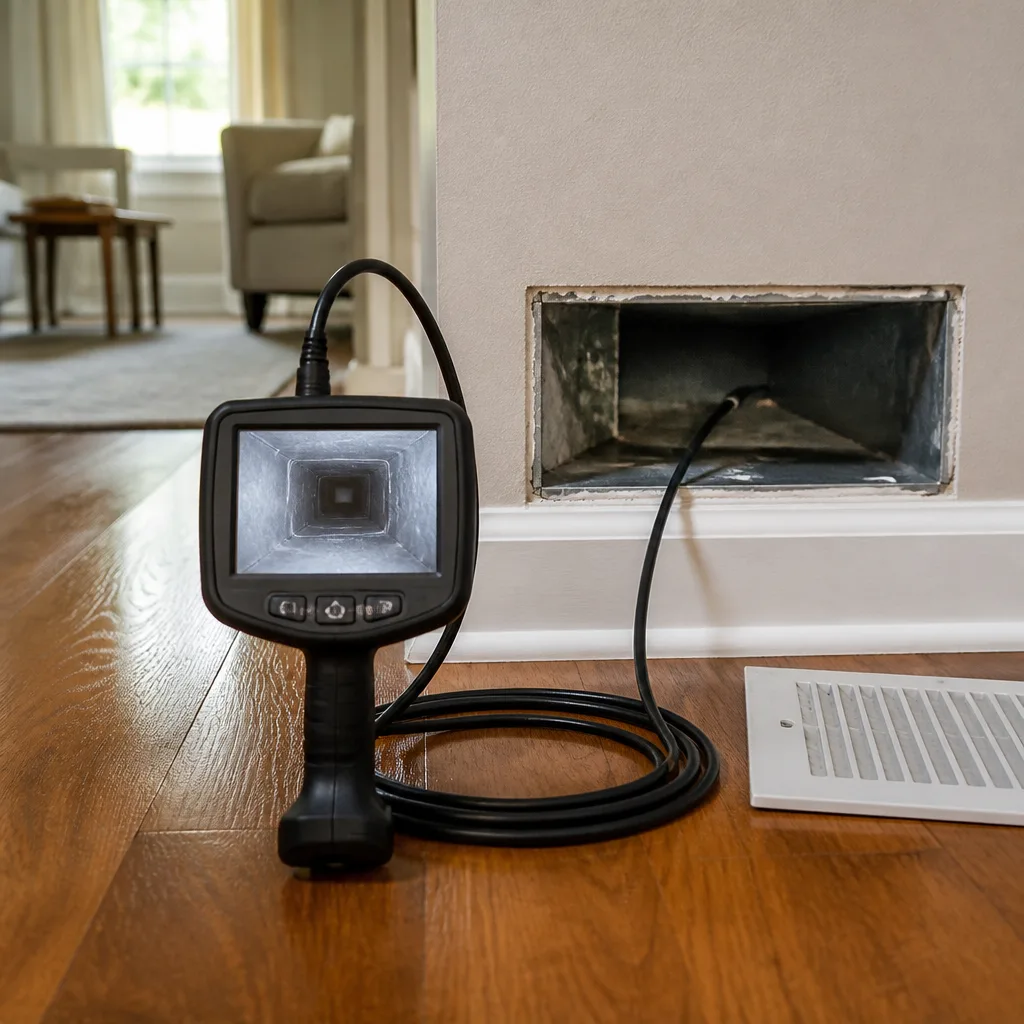
- Uneven airflow from room to room. When the duct boot behind a register packs with debris, the effective opening shrinks. The HVAC system still pushes the same volume of air, but it backs up and finds paths of least resistance, so some rooms get too much and others too little. We photograph this with a borescope before quoting.
- Visible dust accumulation on the grille fins within weeks of cleaning. The grille itself isn’t the problem - it’s a symptom. Debris in the boot agitates every time the system cycles, then resettles on the nearest surface. In New Braunfels, where limestone dust is common in newer construction near the Hill Country, this happens faster than homeowners expect.
- Musty smell when the system first kicks on. Organic material trapped in the boot - pet hair, pollen, occasional moisture from a humid summer - doesn’t dry evenly. The first blast of conditioned air disturbs it. A Rotobrush register cleaning with proper negative-pressure extraction removes the source; spraying the grille alone does not.
- The brush head chatters or stalls in the boot. This means the debris layer has hardened or the brush is undersized for the boot diameter. The Rotobrush motor is torque-limited to protect the wand, so it stops rather than force through. We switch to a stiffer bristle pattern or pre-agitate with a manual tool before re-running the brush.
- Previous “cleaning” left the boot untouched. We find this constantly: a company ran a main-line vacuum but never removed registers or entered the boots. The camera shows a clean trunk line and dirty boots side by side. It’s the difference between real work and vacuum noise, and it’s why we photograph every run.
BeforeAfterReplacement Cost & What’s Included
| Service Component | Price Range in New Braunfels |
|---|---|
| Single register/grille cleaning (Rotobrush + extraction) | $140 - $190 |
| Whole-home register set (8-12 registers, typical 2,000 sq ft home) | $380 - $520 |
| Additional boots requiring manual pre-agitation | $25 - $40 each |
| Aftermarket Guardsman brush head (if OEM unavailable) | $45 - $65 parts only |
The range depends on three things: how many registers need attention, whether the boots are metal or flex (metal takes longer), and what the borescope shows upstream. We deliver a written price before any work starts, Haven Standard Clause 1 - no exceptions. The 365-Day Done Right Promise covers the workmanship, and the Documented Photo Record shows you every boot before and after. If you have a competitor’s written estimate, we’ll put ours next to it at no charge.
DIY or Call Us?
What you can safely check yourself: pull the register, shine a flashlight into the boot, and look for visible debris or restriction. Note the wand diameter if you already own a Rotobrush unit. That’s the extent of what we’d recommend.
Where DIY goes wrong: duct boots connect to trunk lines with sealed joints. Disturbing them without proper support can separate the connection, and you won’t know it happened until conditioned air starts dumping into your wall cavity. The Rotobrush motor also generates significant torque - if the brush binds and you don’t release the trigger fast, you can kink the wand or damage the coupler. More importantly, without negative-pressure extraction, you’re agitating debris into the living space instead of removing it. We use Nikro HEPA-collection equipment alongside the Rotobrush for this reason.
If you’re unsure what you’re looking at, call us at (830) 549-6847. We’ll walk through what the camera should show before you spend anything.
FAQs
In New Braunfels, with our mix of Hill Country dust and pollen cycles, a thorough cleaning typically stays effective for three to five years in homes with standard 1-inch filters changed quarterly. Homes with pets or located near active construction may see debris return in two to three years. Call (830) 549-6847 and we’ll check your current filter schedule against what the camera shows - estimates are free.
The metal or plastic grille is rarely the problem; it’s the boot behind it that needs attention. If the grille is damaged - bent fins, cracked plastic, stripped screw holes - we can source replacements from standard HVAC suppliers, but that’s a separate issue from the Rotobrush cleaning. We stock common sizes on our trucks.
A single register takes 20-30 minutes including setup, borescope documentation, and extraction. A whole-home job runs three to five hours depending on access and what we find. We don’t schedule vague windows - we give you a specific arrival time and stick to it.
We stock brush heads, wands, and couplers for Beast, BrushBeast, and post-2012 Classic models on every truck. Pre-2012 Classic couplers and specialty boots we order through our Guardsman supplier with next-day availability. If your unit is down and you need to verify compatibility, text us a photo of the model label - (830) 549-6847.
Written by Tomas Reyes, Owner, CleanRun Air Duct Cleaning New Braunfels at CleanRun Air Duct Cleaning New Braunfels, serving New Braunfels and nearby areas.