
Last updated September 23, 2026
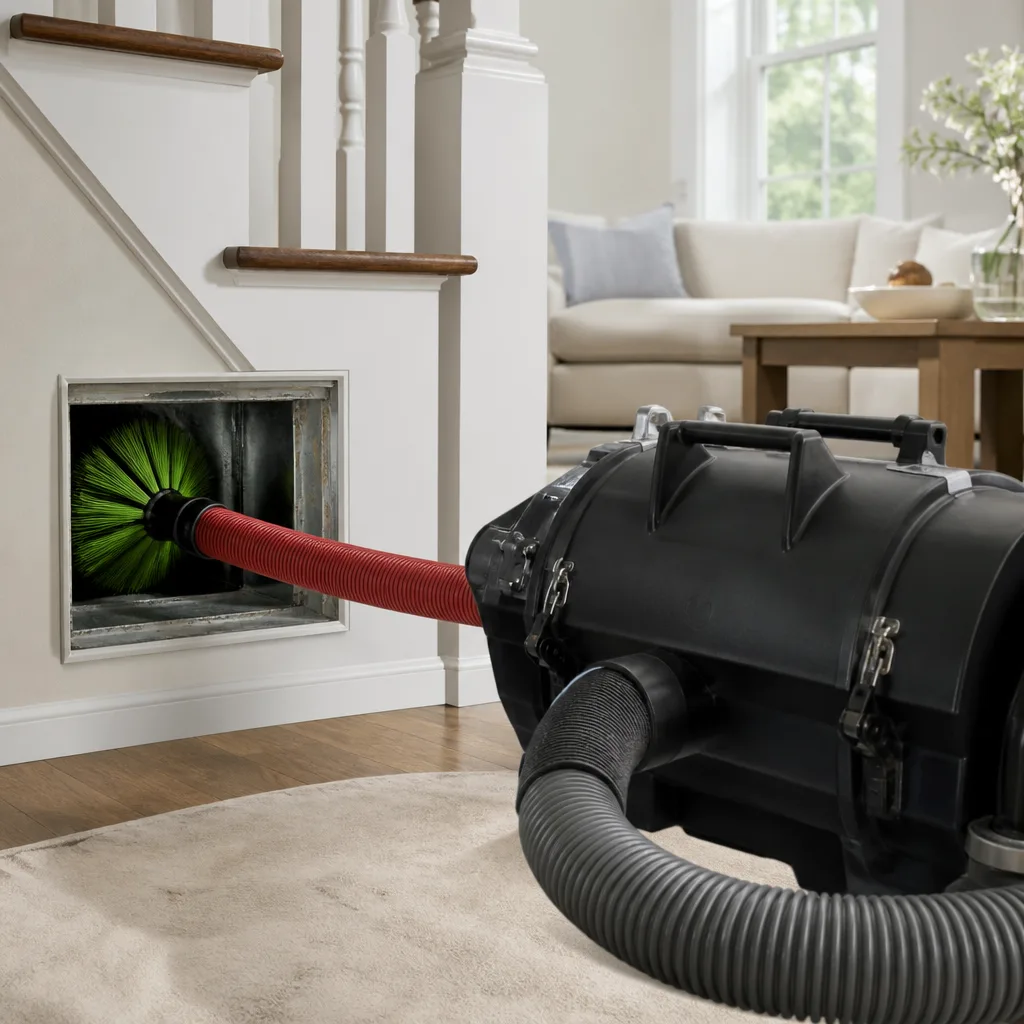
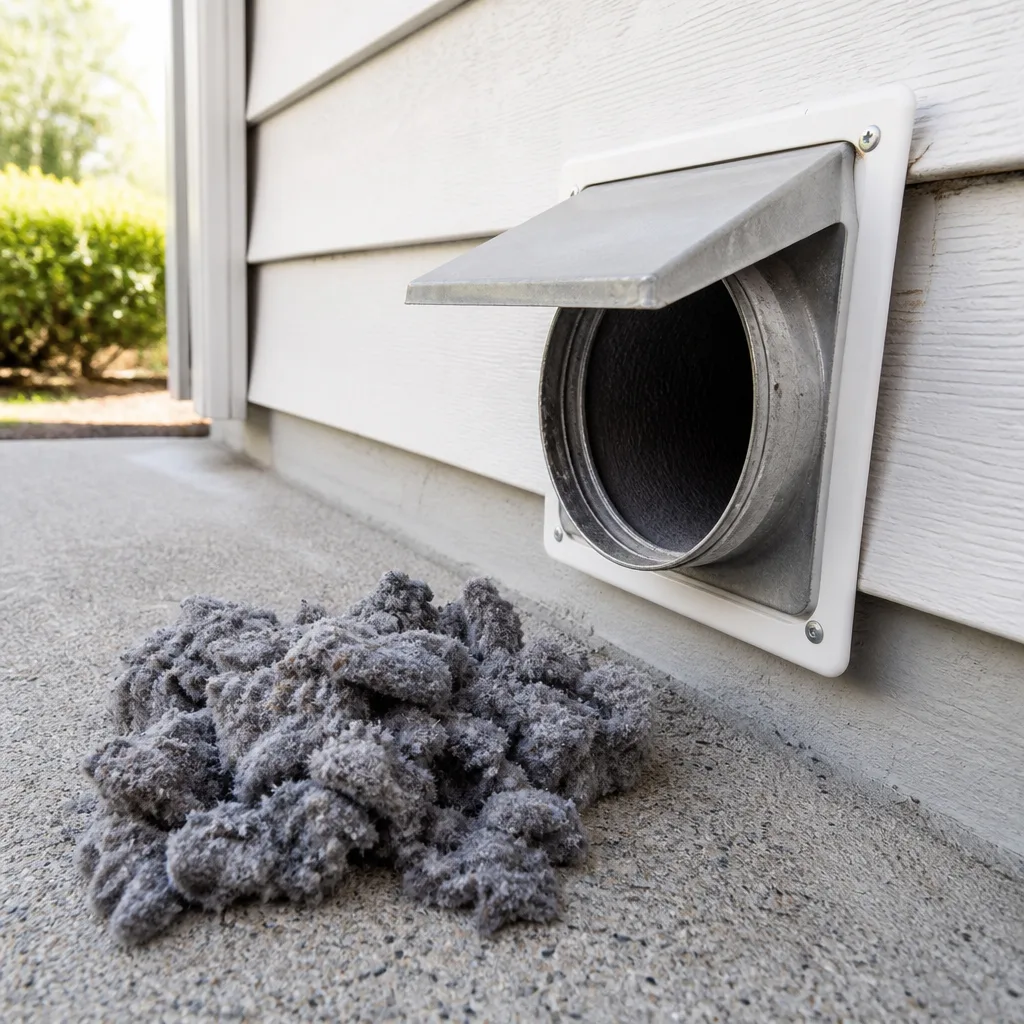
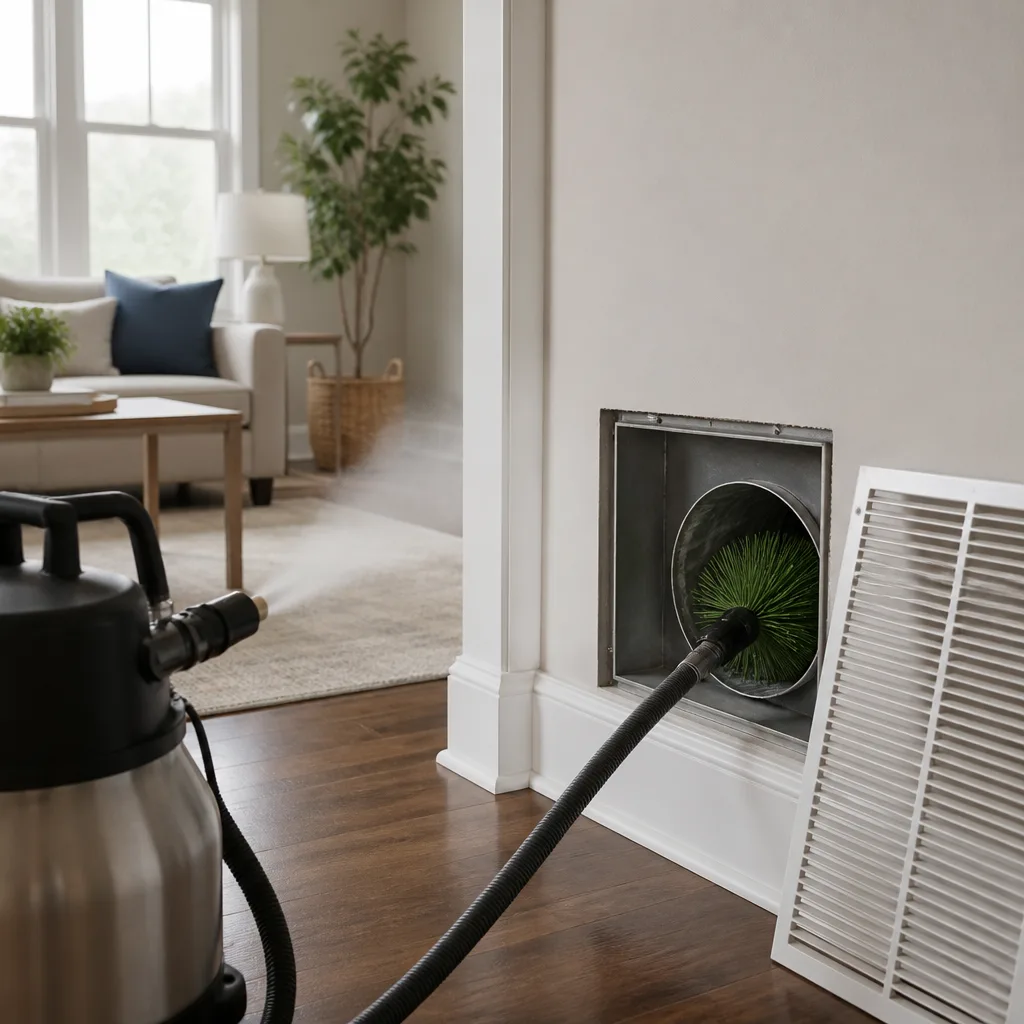
Whole-system duct and dryer vent check with before-and-after photos - you see exactly what came out of your vents
That "$99 whole-house special" is a bait ad - the real number appears once they are in your hallway, or the "clean" is a shop-vac at the register. We photograph the inside of your ducts before and after instead.
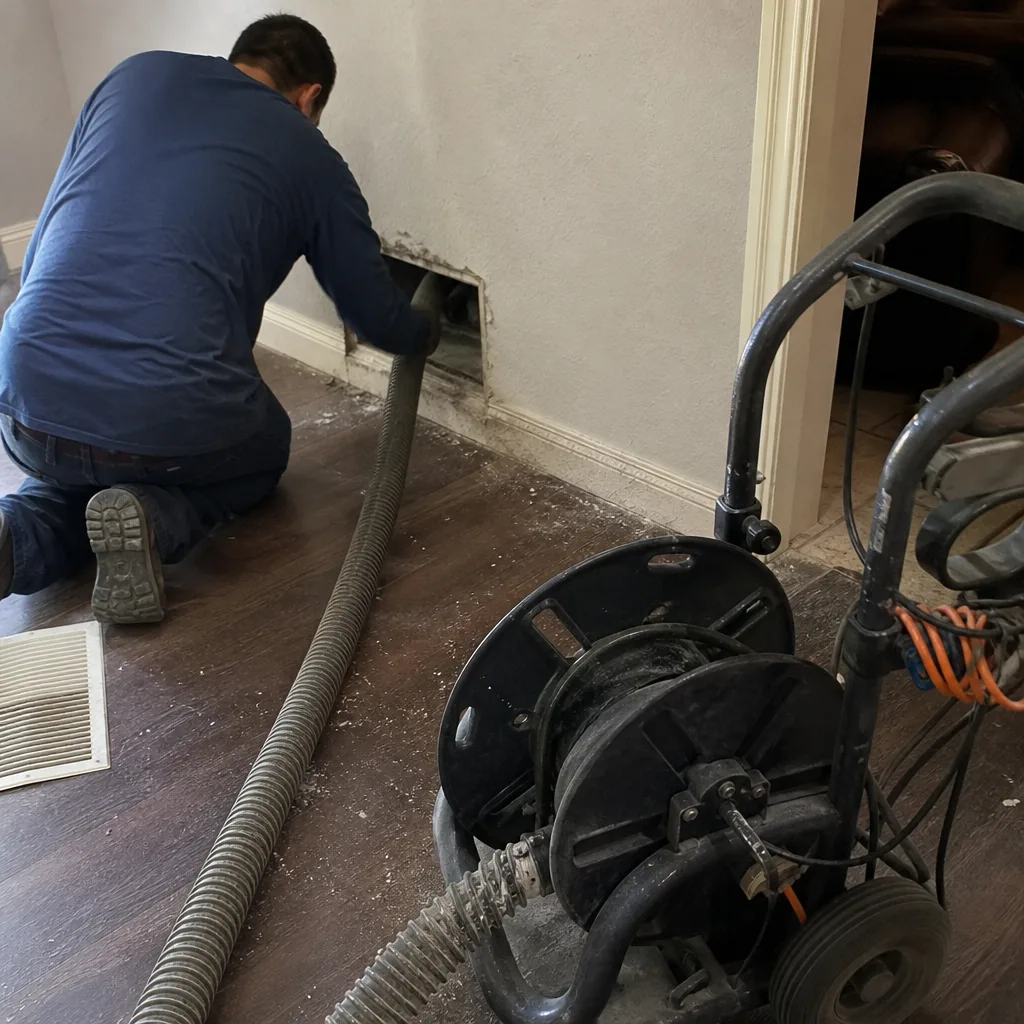 Before
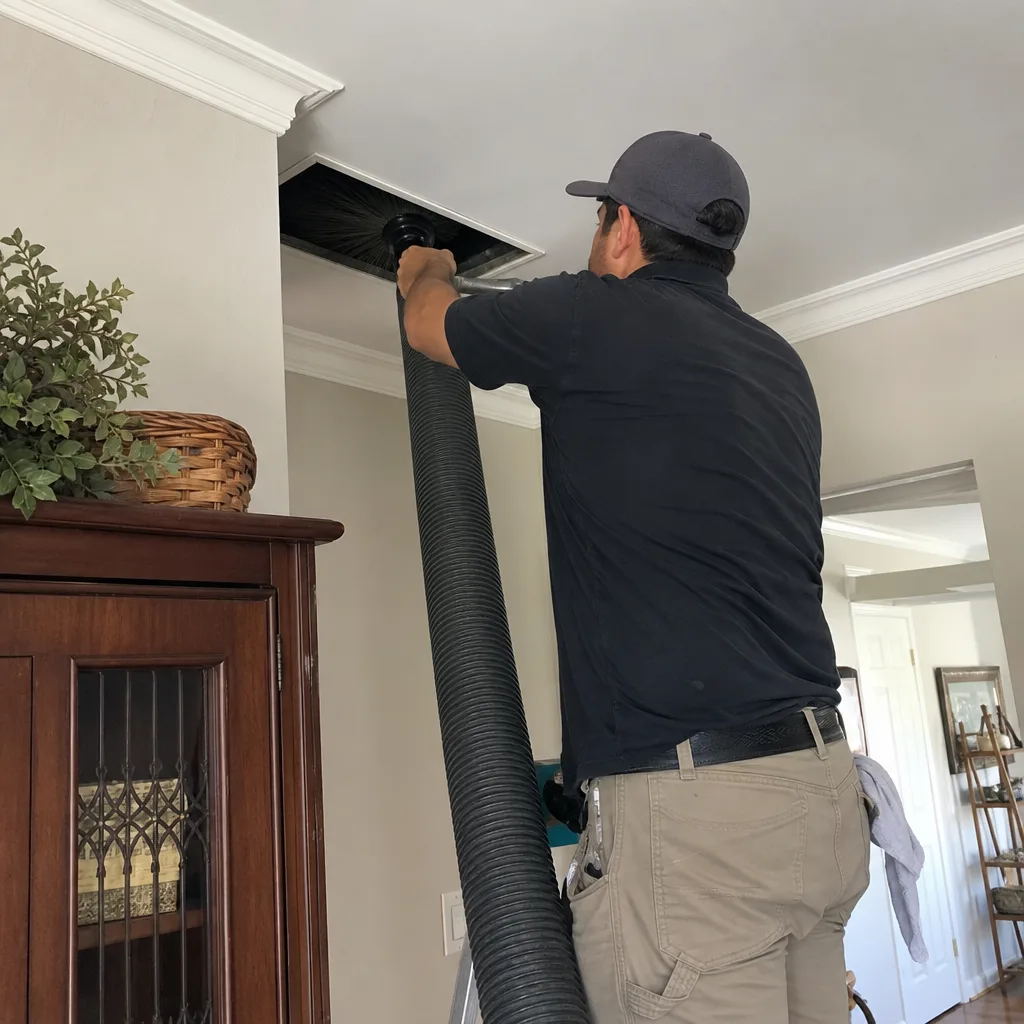 After
After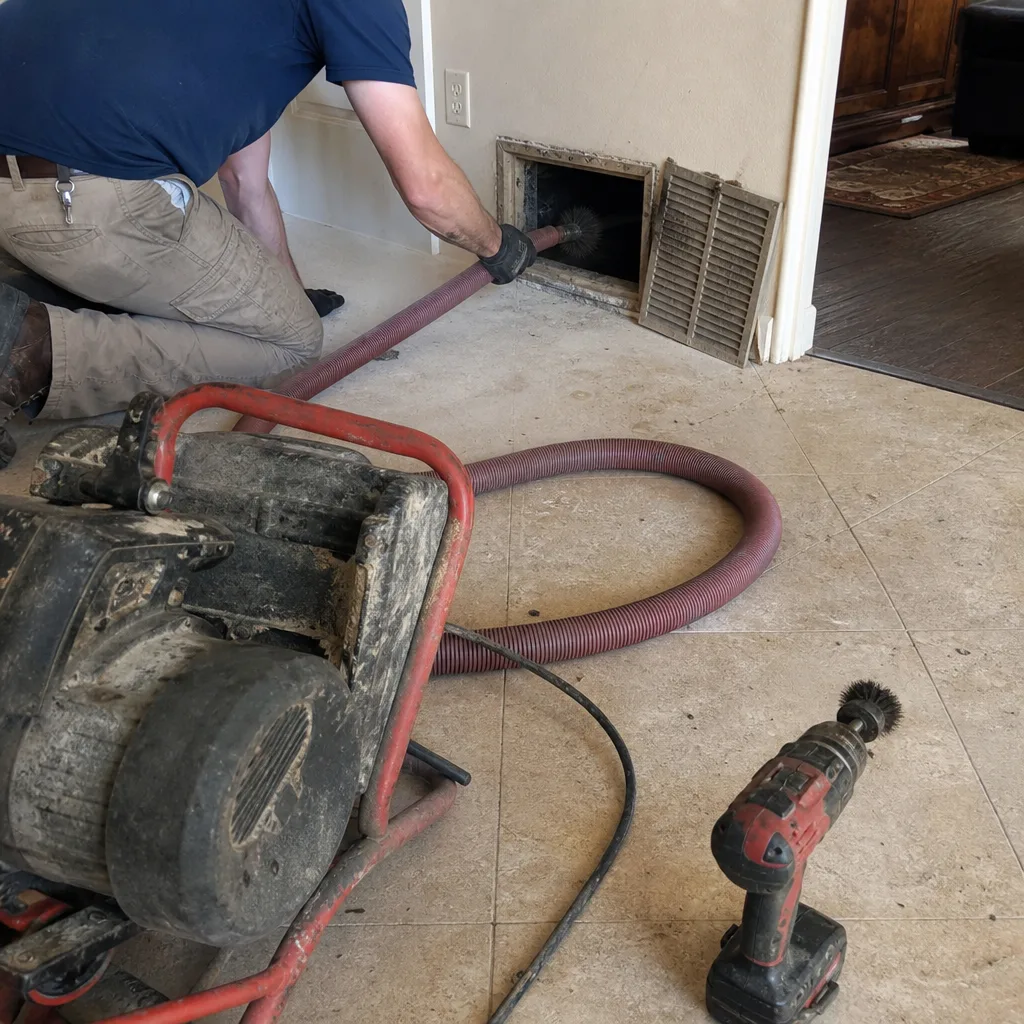 Before
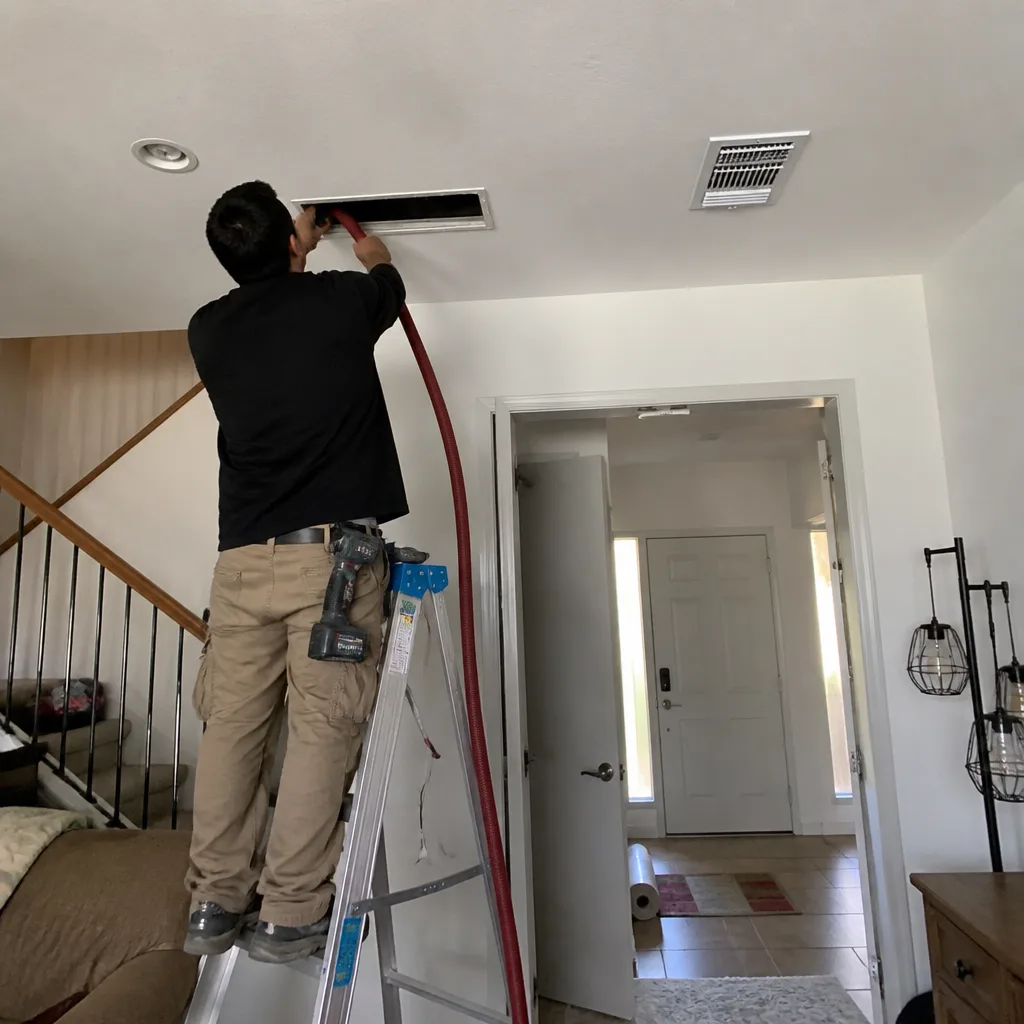 After
After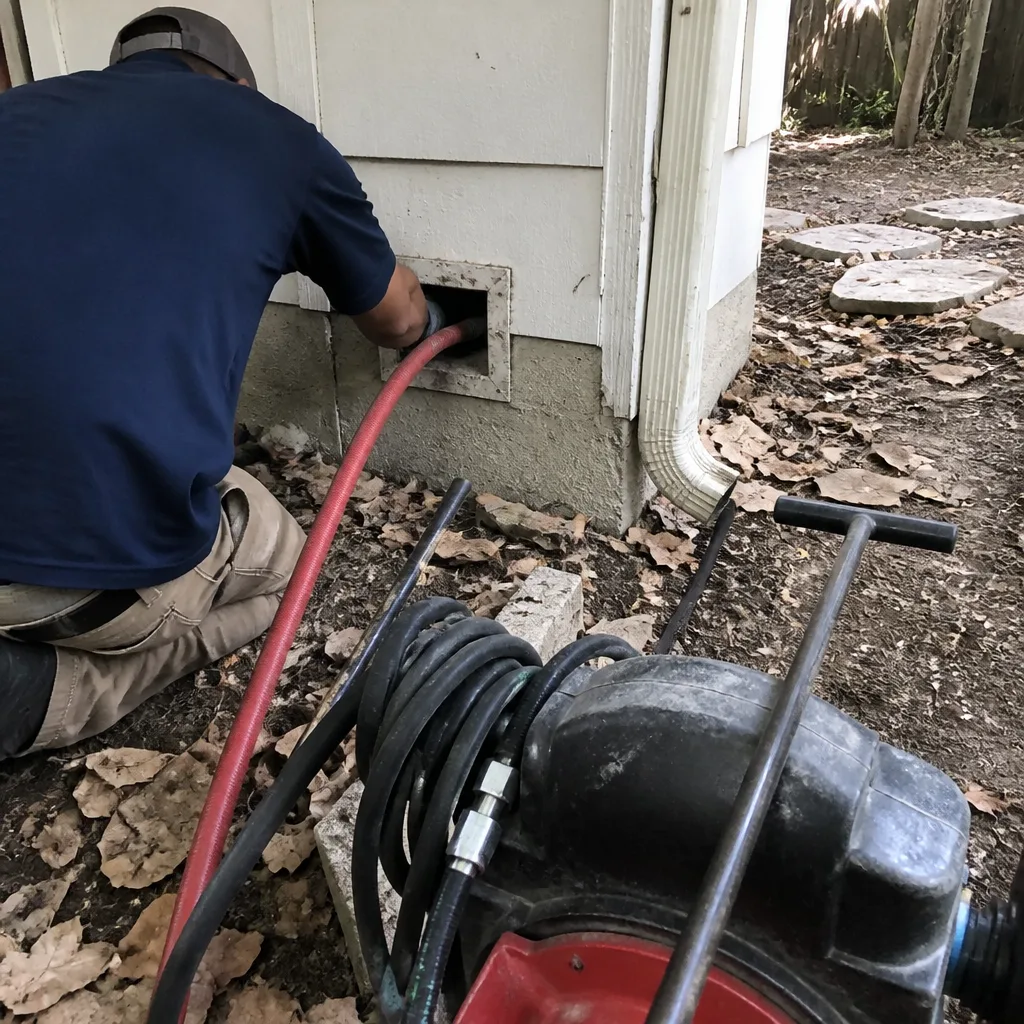 Before
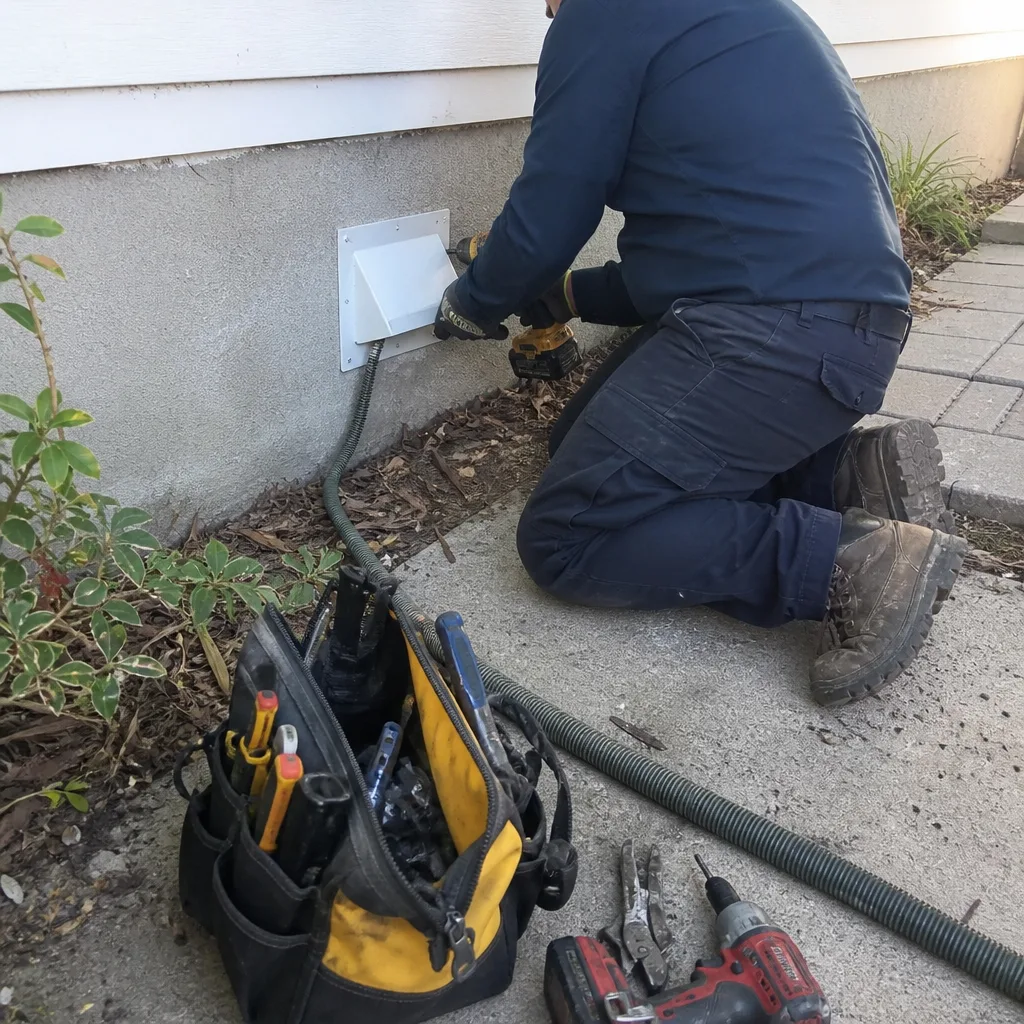 After
AfterAir Duct Cleaning Maintenance Checklist for New Braunfels Homeowners
Changing your filter on schedule is not duct maintenance. It is filter maintenance. The duct system itself has no self-cleaning mechanism, yet most “checklists” online conflate the two and leave New Braunfels homeowners with false confidence and a $4,000 compressor replacement they could have avoided. In this guide, we draw a clear line between what you can observe and record yourself versus what requires opening the duct system, and we give you a written log you can actually hand to a technician for Air Duct Cleaning services. We’ve used this same distinction since 2013 across 52,000+ homes, and it’s why our crews arrive knowing more about the system than the customer expected.
Quick Answer
Homeowner-level duct maintenance in New Braunfels means monthly filter checks, quarterly register inspections, seasonal airflow balance tests, and an annual written log of findings. Anything involving the interior duct walls, evaporator coil face, or static pressure measurement requires a technician with negative-pressure extraction equipment and a borescope camera, as covered in our Air Duct Cleaning Permits, Codes & Inspections in TX: What You Need to Know. Neglecting this split voids most HVAC manufacturer warranties, which explicitly require documented professional maintenance for compressor and coil coverage.
Table of Contents
- Homeowner-Observable Checkpoints: What You Can See and Record
- Technician-Required Checkpoints: Inside the System
- New Braunfels-Specific Triggers: Cedar Fever, Construction Dust, and Humidity
- Static Pressure: The Hidden Restriction Most Homeowners Miss
- Which Neglected Items Void Your HVAC Warranty
- Your Written Log Template: A Record for Every Technician Visit
- Common Mistakes to Avoid
- When to Call a Professional
- Frequently Asked Questions
BeforeAfterHomeowner-Observable Checkpoints: What You Can See and Record
These are the items you can check without tools beyond a flashlight and a notepad. Do them on a schedule, write down what you find, and keep the log with your HVAC paperwork. When a technician arrives, hand them the log. In our experience, a homeowner with six months of written observations saves 15-20 minutes of diagnostic time and often catches developing problems before they trigger emergency rates.
Monthly: Filter Condition and Fit
Remove the filter and hold it to a light source. If you cannot see light through the media, the filter is loaded beyond its rated capacity. Note the MERV rating printed on the frame. In New Braunfels, where January and February bring heavy cedar pollen, a MERV 11 filter may load in three weeks rather than the standard 90 days. Record the date you installed it and the date it loaded.
Check the filter fit. A 1-inch gap at the filter cabinet allows unfiltered return air to bypass the media entirely. We find this in roughly 30% of homes in the Veramendi and Meyer Ranch developments, where builder-grade filter racks often warp after the first summer of high attic temperatures. Note any gaps in your log with a measurement.
Quarterly: Register and Grille Inspection
Remove floor and ceiling registers. Shine a flashlight into the boot, the short duct section connecting the register to the main trunk line. Look for:
- Visible debris accumulation on the duct walls, not just at the register face
- Dark staining that wipes off with a finger, indicating mold or mildew on the interior surface
- Insect or rodent evidence, including droppings or nesting material
- Standing water or dampness, especially at registers on the first floor of homes with crawl spaces
Record the register location, what you saw, and whether the condition changed from your last check. A photo with your phone, dated, is sufficient. In communities near the Guadalupe River corridor, we see elevated moisture at first-floor registers during September and October when humidity lingers above 75% and crawl space ventilation is marginal.
Seasonal: Airflow Balance Room-to-Room
With the system running in cooling mode, hold a tissue at each register. Note which rooms have weak airflow compared to others. Close your eyes and walk the house. A room that never reaches setpoint despite the register being open is not a thermostat problem; it is a duct restriction or leakage problem.
Record the date, outdoor temperature, and which rooms underperformed. If the same room appears on your log for two consecutive seasons, you have a pattern that warrants professional duct pressure testing. In New Braunfels homes built 2015-2020, we find flex duct separations at attic junctions in roughly 15% of systems over five years old, and the homeowner almost always reports “that room never cools right” before we find the disconnected run.
Annual: Exterior Intake and Exhaust
Walk the perimeter. Confirm that outdoor air intakes are free of landscaping debris, wasp nests, and pollen accumulation. Check that exhaust flues and relief vents terminate properly and are not obstructed by recent construction, vegetation growth, or animal activity. In the active growth corridors along FM 306 and the Route 46 expansion, construction dust settles on intake hoods and enters the return stream. Note any visible coating in your annual entry.
Technician-Required Checkpoints: Inside the System
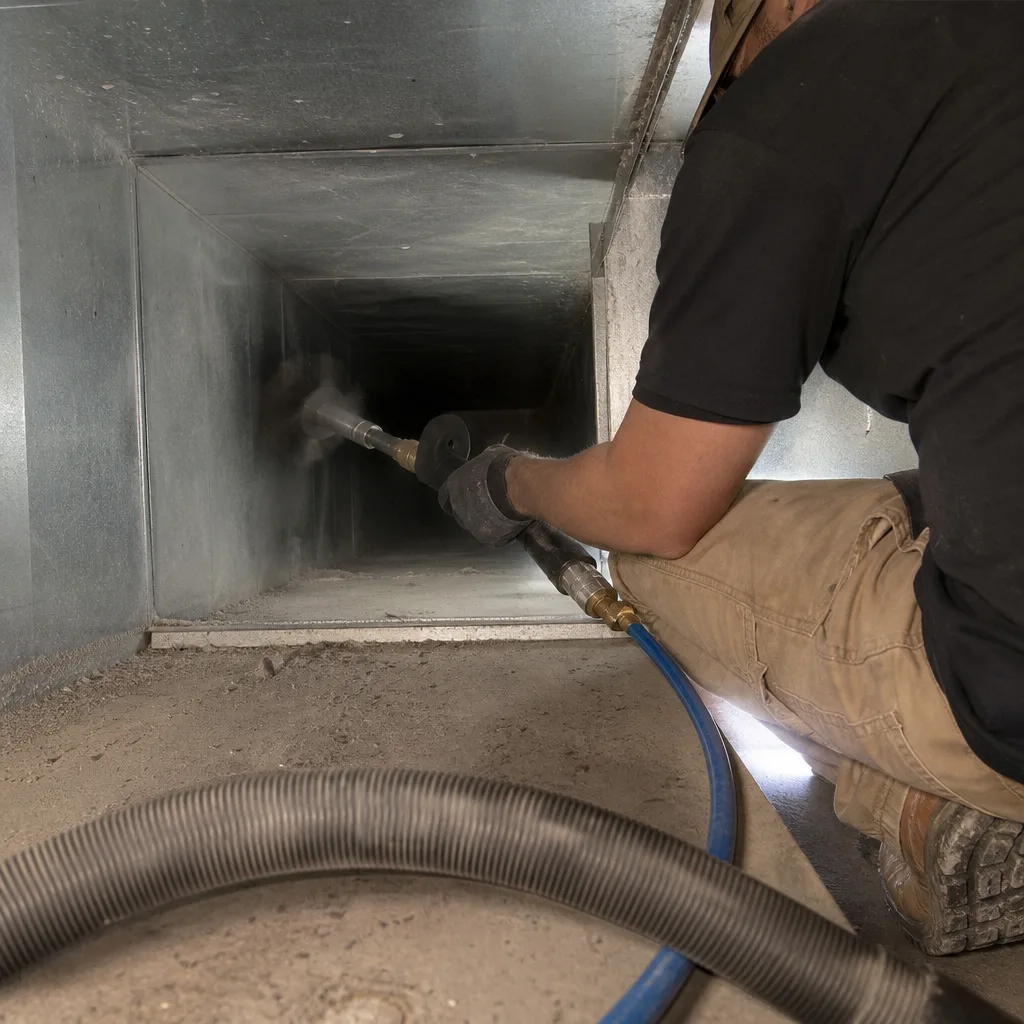
These checkpoints require opening sealed duct sections, inserting cameras or pressure probes, or accessing components behind panels. Do not attempt them yourself. Manufacturer warranties and homeowner insurance policies typically require licensed work for these items, and the safety and equipment risks are substantial.
Interior Duct Wall Condition
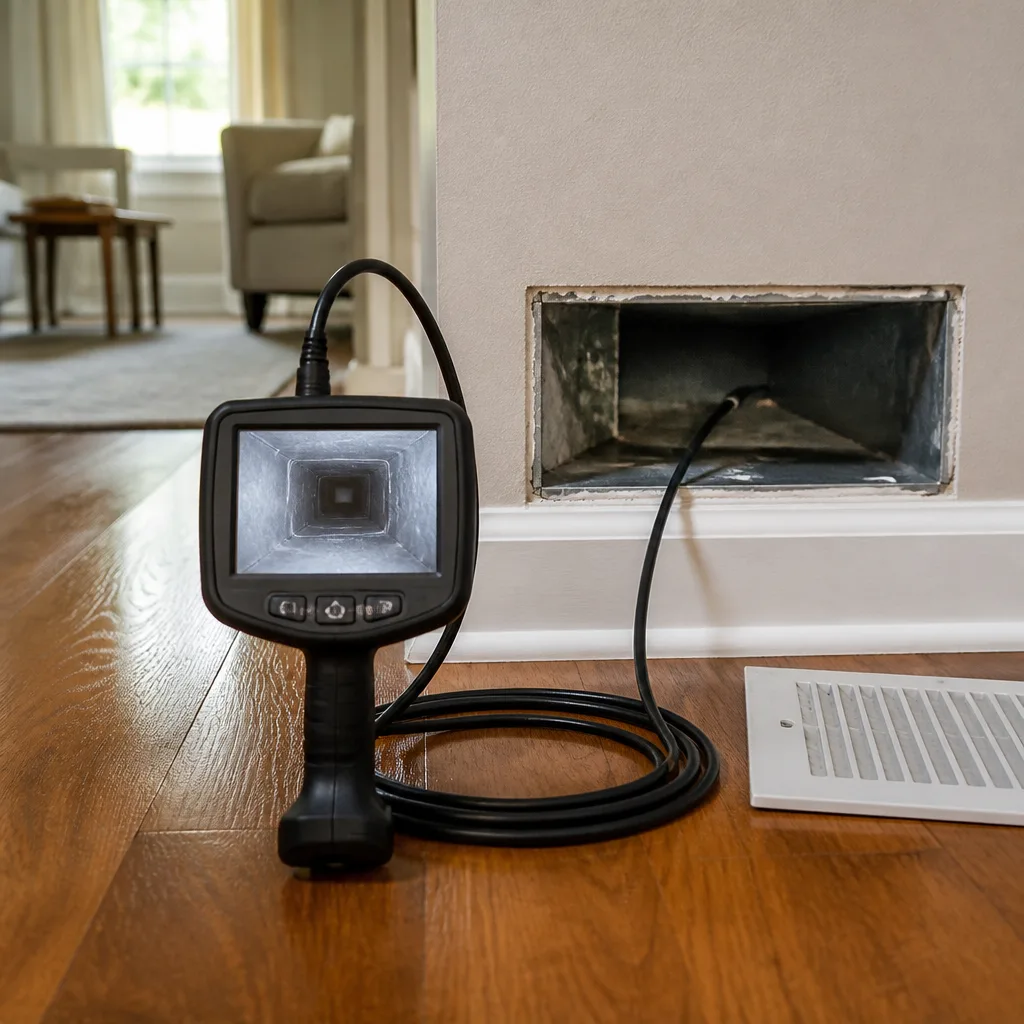
A technician uses a borescope camera, a flexible optical instrument with a light source, to inspect the full length of each duct run. They are looking for:
- Debris thickness and composition: fine dust, construction particulate, pet dander, or mold growth on the duct wall itself
- Structural integrity: rust in metal duct, tears or compression in flex duct, disconnected joints at collars or takeoffs
- Insulation condition: whether internal fiberglass lining is degrading and releasing fibers into the airstream
At CleanRun, this inspection produces a Documented Photo Record of every duct run, before and after any cleaning, delivered to the customer as part of the standard job record. The camera shows what the homeowner cannot see. In one 2019 job in the Vintage Oaks area, the borescope revealed a 3-inch debris build-up at the first elbow of the master bedroom return, reducing effective airflow by an estimated 40%. The homeowner had recorded “weak airflow” in that room for fourteen months.
Evaporator Coil Face and Drain Pan
The coil, a heat exchanger where refrigerant absorbs heat from passing air, sits downstream of the filter but upstream of the supply ductwork. Even with regular filter changes, fine particles pass through and adhere to the wet coil surface. Over time this restricts airflow, reduces heat transfer efficiency, and can harbor microbial growth.
A technician inspects the coil face with a mirror and light, or removes the panel for direct access. They also check the drain pan and condensate line for proper pitch, blockages, and microbial growth. In New Braunfels, where cooling season runs May through October and indoor humidity often exceeds 60%, we find significant coil loading in systems that have not had professional HVAC cleaning in three or more years. HVAC Cleaning in New Braunfels addresses this specifically.
Static Pressure Measurement
A technician places a manometer, a pressure measurement device, at specified points in the duct system to measure static pressure in inches of water column. This is the definitive test for restriction. Normal total external static pressure for residential systems is typically 0.5 inches WC or less. Readings above 0.8 inches WC indicate significant blockage, often from debris, collapsed flex duct, or an undersized return system.
The homeowner symptom that precedes this measurement is rooms that will not cool or heat to setpoint despite the register being fully open and the filter being clean. Your written log of seasonal airflow balance tests gives the technician a timeline to work from.
Blower Assembly and Motor
The blower wheel and motor require removal of the furnace or air handler panel. A technician inspects for debris accumulation on the blower vanes, bearing wear, and belt condition on older systems. They also verify that the motor is drawing rated amperage. This is not a homeowner service point.
New Braunfels-Specific Triggers: Cedar Fever, Construction Dust, and Humidity
New Braunfels occupies a corridor where Hill Country cedar meets coastal humidity and I-35 corridor construction activity. These three factors create maintenance triggers that homeowners in other markets do not face, or do not face in the same combination.
Cedar Fever Season: January Through February
Ashe juniper pollen releases peak in January, with counts often exceeding 20,000 grains per cubic meter. This pollen is fine enough to pass standard filters and accumulate in ductwork. Homeowners with respiratory sensitivity report symptoms that persist indoors even with windows closed.
Your checklist action: inspect registers weekly during peak season, note any visible yellow-green accumulation at register faces, and record whether indoor symptoms correlate with outdoor pollen counts. If you are changing filters twice in January, note the dates and the visible loading. This pattern indicates your system is processing unusually high particulate loads and may benefit from professional duct inspection after the season ends. See Air Duct Cleaning Warning Signs: A New Braunfels Homeowner’s Reference Guide for additional indicators.
Construction Dust From Active Growth Corridors
New Braunfels was the second-fastest-growing city in the U.S. by percentage from 2020 to 2023. Active construction on FM 306, Route 46, and the I-35 frontage roads generates respirable crystalline silica and other construction particulates that enter HVAC intakes, especially in homes within half a mile of active sites.
Your checklist action: note any visible dust accumulation on interior surfaces between normal cleaning intervals. If you are dusting twice as often as in previous years, record the frequency and any nearby construction activity. This is an observable indicator that your duct system is processing elevated loads. In the West Village and River Chase areas, where development density is highest, we have documented duct debris composition that includes construction materials not found in older, established neighborhoods.
High-Humidity Months and Flex Duct Interiors
From May through October, outdoor dew points in New Braunfels regularly exceed 70 degrees. Attic temperatures can reach 140 degrees. Flex duct with internal fiberglass insulation, common in homes built 2005-2020, experiences repeated cycles of heat, humidity, and cooling that degrade the insulation facing.
When the facing degrades, fiberglass particles release into the airstream. The homeowner observable is a fine, glittering dust at registers that does not match normal household dust. Record the register locations and the month you first noticed it. This symptom warrants professional inspection with a borescope; degraded flex duct insulation is not addressable by cleaning alone and typically requires duct repair or replacement. CleanRun Air Duct Cleaning New Braunfels home services include assessment of flex duct condition as part of every inspection.
Static Pressure: The Hidden Restriction Most Homeowners Miss
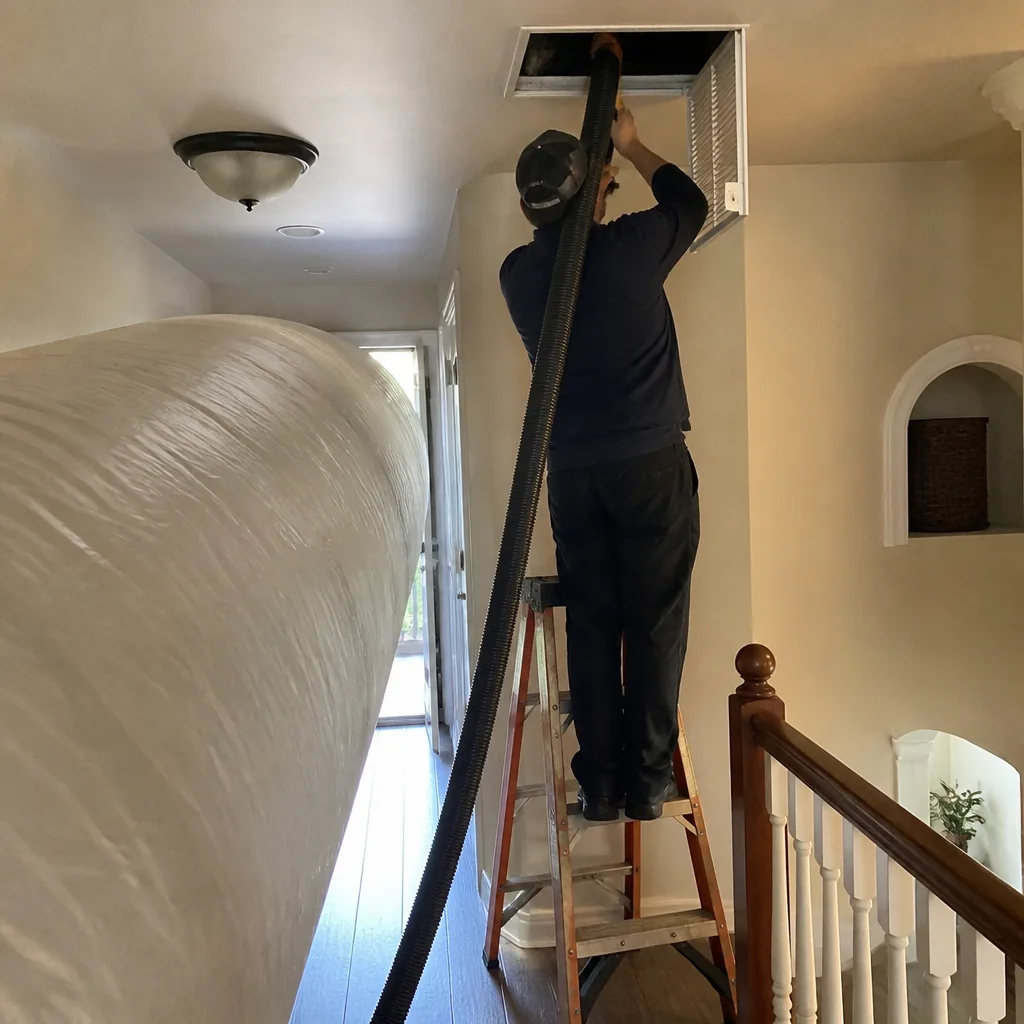
Static pressure is the resistance to airflow within the duct system. Think of it as blood pressure for your HVAC: too high, and the system works harder for less result. The equipment suffers, energy costs rise, and comfort drops.
You cannot measure static pressure without a manometer and access ports. But you can observe its symptoms:
- Rooms that consistently fail to reach thermostat setpoint, especially those farthest from the air handler
- Excessive noise from the air handler, indicating the blower is working against restriction
- Filter collapse or distortion, showing the blower is pulling harder than the filter media can withstand
- Ice formation on the refrigerant lines in cooling mode, caused by reduced airflow across the evaporator coil
- Premature blower motor failure, often within 5-7 years instead of the expected 12-15
Record these symptoms with dates in your written log. When a technician arrives with a manometer, your timeline helps them distinguish between gradual restriction from debris accumulation and sudden restriction from a collapsed duct section or failed damper.
In New Braunfels, we see elevated static pressure in two common scenarios: homes with original flex duct in attics that have settled or been disturbed by rodent activity, and homes where homeowners have installed high-MERV filters without verifying that the system was designed for the additional resistance. A MERV 13 filter adds roughly 0.2 inches WC of pressure drop compared to a MERV 8. If your system was marginal to begin with, that upgrade pushes it into warranty-voiding territory.
Which Neglected Items Void Your HVAC Warranty
Most homeowners have never read the maintenance requirements in their HVAC equipment warranty. We have. The language is consistent across major manufacturers: Carrier, Trane, Lennox, Rheem, and Goodman all include clauses that tie compressor, coil, and heat exchanger coverage to documented professional maintenance.
Specific items that appear in warranty documentation:
- Annual professional inspection of the evaporator coil and condensate system. Homeowner filter changes do not satisfy this requirement. The technician must access and inspect the coil face, drain pan, and condensate line.
- Verification of proper airflow. This is typically defined as within 10% of design CFM, confirmed by measurement, not observation. Static pressure testing or airflow hood measurement satisfies this; a homeowner’s “feels fine” does not.
- Documentation of refrigerant charge and pressures. Requires manifold gauge set and licensed handling.
- Electrical connection torque verification. Requires opening electrical compartments and using a torque wrench.
If you file a warranty claim for a failed compressor or cracked heat exchanger, the manufacturer will request maintenance records. If you have only filter receipts, you will likely be denied. Your written log of homeowner observations, combined with professional service invoices, builds the documentation trail that protects your coverage.
The 365-Day Done Right Promise from CleanRun includes a written record of all technician-performed checkpoints, delivered to you as part of the job documentation. This is not a marketing claim; it is a deliverable you can submit with a warranty claim.
Your Written Log Template: A Record for Every Technician Visit
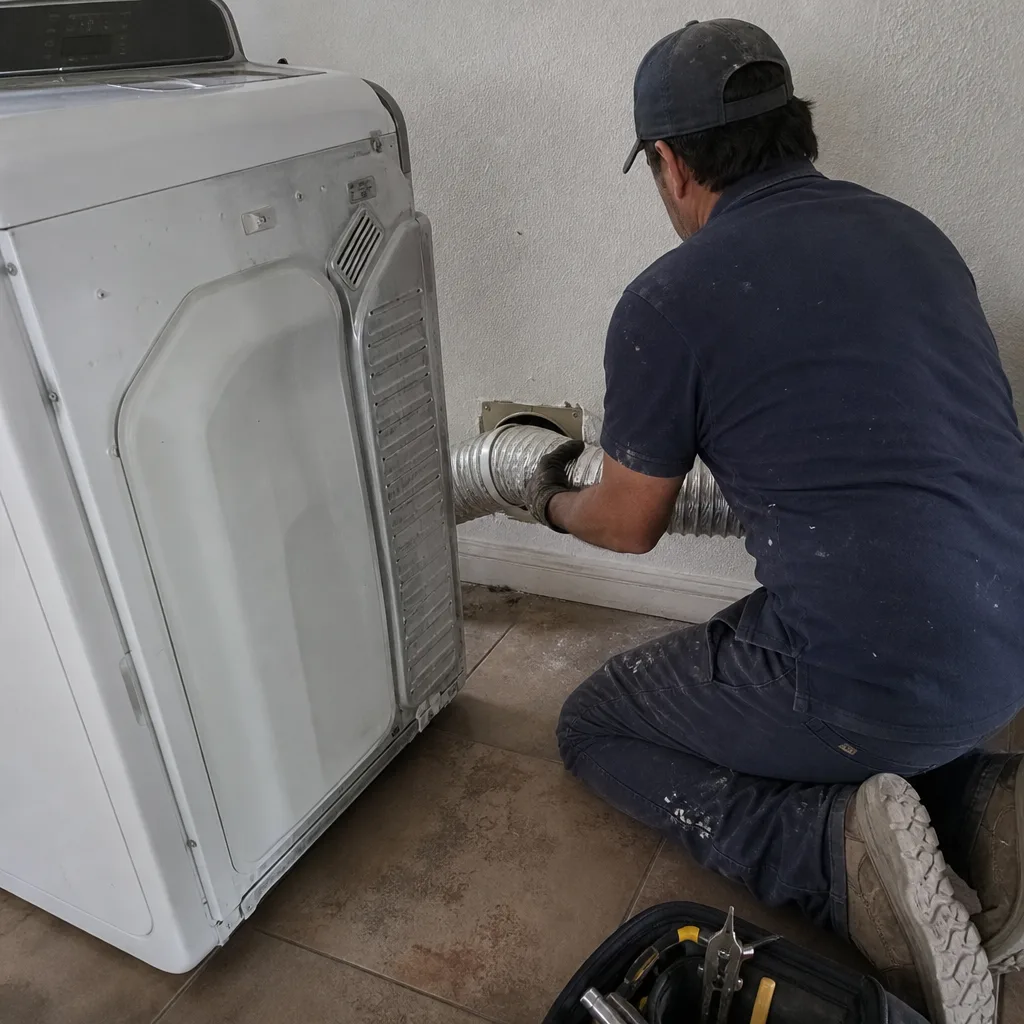
Memory is not documentation. When a technician asks “how long has this been going on,” the accurate answer is in your log, not your recollection. Use this template, print it, and keep it with your HVAC paperwork.
HOMEOWNER DUCT MAINTENANCE LOG
Property: _________________________ System Installed: _________________________
MONTHLY - Filter Check
- Date: _______ Filter Size: _______ MERV Rating: _______
- Condition: Clean / Moderate Load / Heavy Load / Collapsed
- Fit Check: Tight / Gap ___ inches at _______
- Notes: _____________________________________________
QUARTERLY - Register Inspection
- Date: _______
- Registers Inspected: _________________________________
- Findings by Location:
- _______ : Clean / Debris / Staining / Moisture / Odor
- _______ : Clean / Debris / Staining / Moisture / Odor
- _______ : Clean / Debris / Staining / Moisture / Odor
- Photos Taken: Y / N
SEASONAL - Airflow Balance Test
- Date: _______ Outdoor Temp: _______ System Mode: Heat / Cool
- Room: _______________ Airflow: Strong / Moderate / Weak / None
- Room: _______________ Airflow: Strong / Moderate / Weak / None
- Room: _______________ Airflow: Strong / Moderate / Weak / None
- Rooms Not Reaching Setpoint: ___________________________
ANNUAL - Exterior Inspection
- Date: _______
- Intakes Clear: Y / N - Obstructions: _____________________
- Exhausts Clear: Y / N - Obstructions: ____________________
- Nearby Construction Activity: Y / N - Location: ___________
PROFESSIONAL SERVICE RECORD
- Date: _______ Company: _________________________________
- Technician: _______________ License #: _________________
- Services Performed: __________________________________
- Static Pressure Reading: _______ inches WC
- Photo Record Provided: Y / N
- Written Warranty Provided: Y / N
- Next Service Recommended: ____________________________
Hand this log to every technician who services your system. At CleanRun, we photograph the log page and attach it to your job record so our field notes reference your observations, not our assumptions.
Common Mistakes to Avoid
- Conflating filter maintenance with duct maintenance. A clean filter protects the equipment but does nothing for debris already inside the duct walls. We’ve inspected systems with pristine filter records and 2-inch debris accumulation in the return trunk.
- Ignoring seasonal patterns. A homeowner who checks registers once and never again misses the cedar pollen surge that loads the system in January, or the humidity spike that triggers mold growth in September. New Braunfels has distinct seasonal triggers; your log should reflect them.
- Installing the highest-MERV filter available without checking system compatibility. The hardware store stocks MERV 16, but your blower motor was sized for MERV 8. The restriction voids your warranty and fails your equipment prematurely.
- Assuming new construction means clean ducts. We have documented construction debris in duct systems before first occupancy in homes throughout the Copper Ridge and Voss Farms developments. Drywall dust, wood chips, and fastener debris are standard findings in post-construction inspections.
- Waiting for visible dust at registers to act. By the time debris reaches the register face, the restriction upstream is already significant. The register is the end of the line; problems develop at elbows, transitions, and coil faces long before they become visible.
- Accepting “it just needs a cleaning” without photo evidence. Any technician who opens your duct system should show you what they found. A verbal description without images is not documentation. This is why CleanRun’s Haven Standard Clause 2 requires a Documented Photo Record on every visit.
- Discarding professional service records. Manufacturer warranty claims require maintenance documentation. Keep invoices, photo records, and written warranties with your equipment paperwork for the life of the system.
When to Call a Professional
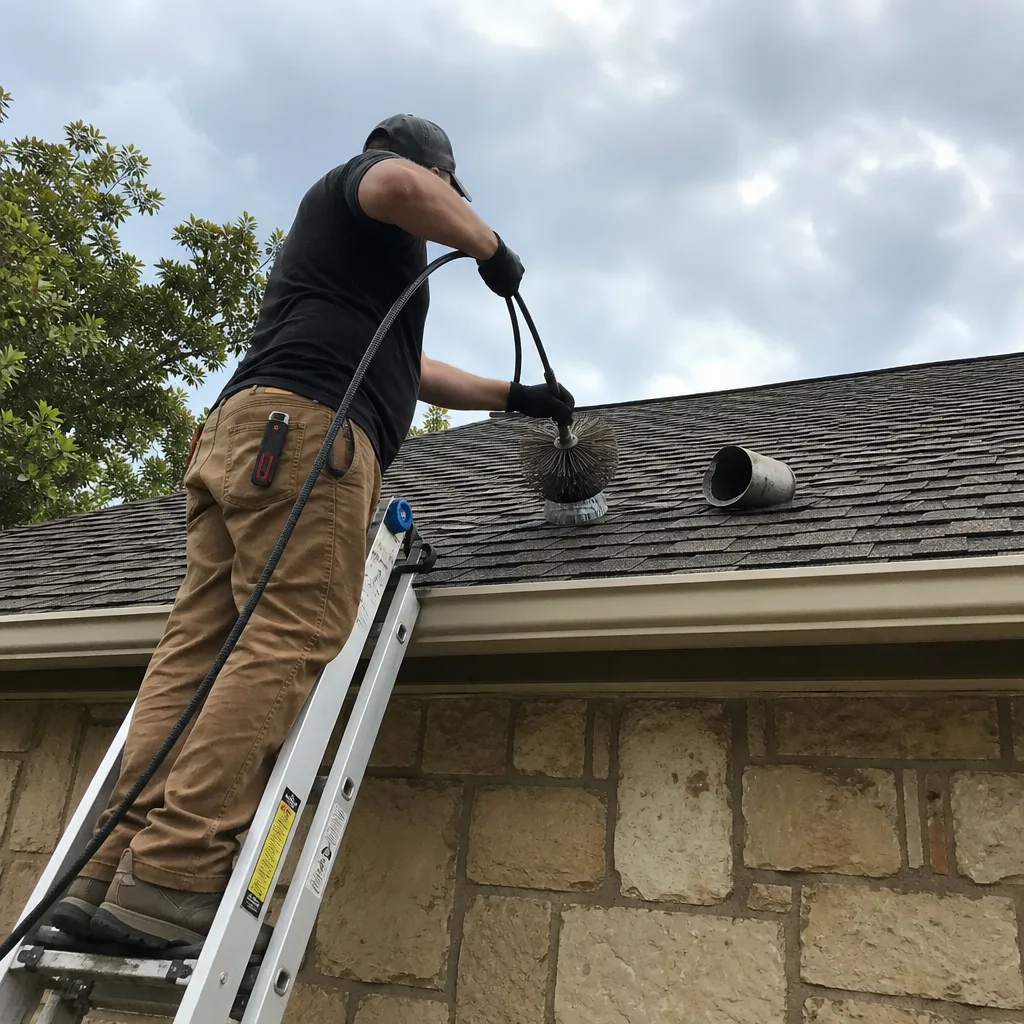
Call a licensed technician when your log shows a pattern: the same room with weak airflow across two seasons, the same register with staining or moisture at consecutive quarterly checks, or any finding that correlates with system performance decline. Call immediately if you smell electrical burning, hear grinding from the air handler, or see ice on refrigerant lines in cooling mode.
For scheduled professional service, Air Duct Cleaning in New Braunfels from CleanRun includes full borescope inspection, static pressure measurement, and the Documented Photo Record of every duct run. We also offer Dryer Vent Cleaning in New Braunfels, which shares the same documentation standard. Every job starts with a written price before any work begins, under Haven Standard Clause 1, and is backed by the 365-Day Done Right Promise. Free estimates in New Braunfels are available by calling (830) 549-6847.
Frequently Asked Questions
Whole-system air duct cleaning for a typical single-family home in New Braunfels ranges from $450 to $850, depending on system size, accessibility, and whether the job includes HVAC cleaning of the coil and blower assembly. CleanRun provides a written price before any work starts, with no per-vent add-ons or post-arrival upsells. Call (830) 549-6847 for a free estimate with exact pricing for your system.
Low quotes typically reflect limited scope: a shop vacuum at register faces, no interior duct access, no photo documentation, and no equipment beyond a brush on a drill. The $79 coupon model relies on arriving at your home and discovering “problems” that multiply the final invoice. A legitimate quote specifies what equipment will be used, whether photo documentation is included, and exactly what duct runs will be cleaned. Ask for brand names: Rotobrush, Nikro, and Abatement Technologies are trade-recognized manufacturers of duct cleaning equipment. If the company cannot name their equipment, they are likely renting consumer-grade tools.
Demand a photo record of every duct run, before and after, with timestamps. At CleanRun, this is standard on every job, not an upgrade. The photo record is delivered as part of your job documentation and is referenced by the 365-Day Done Right Promise. If a company offers only a verbal report or a single “representative” photo, you have no verification that all runs were addressed.
For most New Braunfels homes, professional inspection every three years and cleaning every five to seven years is appropriate, adjusted for specific conditions. Homes in active construction areas, homes with multiple pets, or homes where occupants have respiratory conditions may need more frequent service. Cedar fever season and high-humidity months accelerate accumulation. Your written log will show whether your system is trending toward earlier service.
You can clean register faces and the visible boot section with a vacuum and brush. You cannot safely or effectively clean the interior duct walls, coil face, or blower assembly without professional equipment and training. Negative-pressure extraction systems, such as those from Nikro and Abatement Technologies, prevent debris from entering your living space during cleaning. Attempting interior duct access without proper containment risks contaminating your home and damaging ductwork. For flex duct systems common in New Braunfels homes built 2000-2020, improper cleaning can tear the inner liner and create leaks that are more costly than professional service.
Documented debris removal can restore airflow to design levels, reducing runtime and energy consumption. The more significant efficiency gains typically come from sealing duct leaks, which can lose 20-30% of conditioned air in attics and crawl spaces. A technician should measure static pressure before and after cleaning to quantify improvement. Without measurement, efficiency claims are speculation. CleanRun includes static pressure readings in every service record under the H.A.V.E.N. Standard.
The Bottom Line
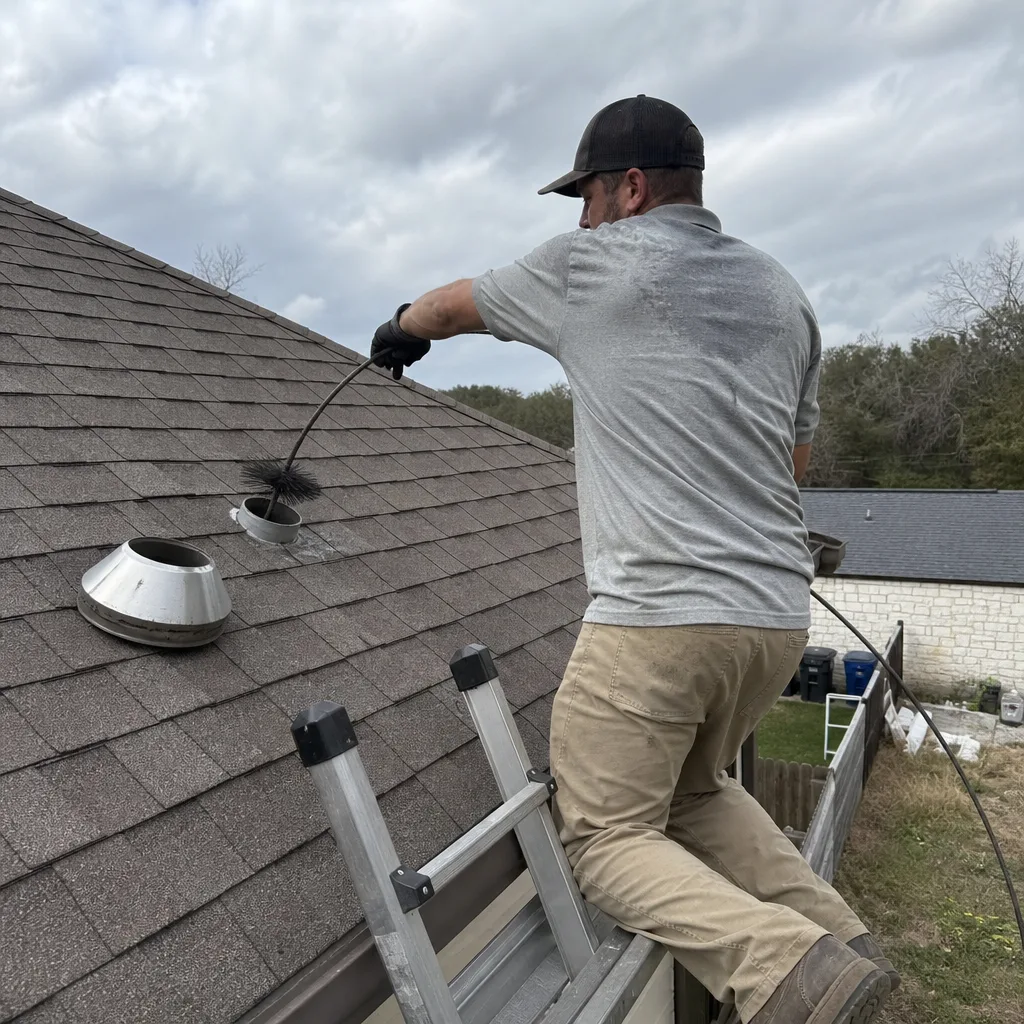
Effective duct maintenance requires distinguishing what you can observe from what requires professional access, and keeping a written record of both. The homeowner’s job is systematic observation: filters, registers, airflow balance, and exterior conditions, logged with dates and findings. The technician’s job is interior inspection, measurement, and documented cleaning with trade-grade equipment. Neglect either side, and you risk equipment failure, voided warranties, and indoor air quality problems that manifest as persistent symptoms or escalating energy bills. In New Braunfels, cedar pollen, construction dust, and humidity add seasonal urgency to a maintenance practice that should run year-round.
Written by Tomas Reyes, Owner at CleanRun Air Duct Cleaning New Braunfels, serving New Braunfels since 2013.